

Welcome to this Pocket Network Review, where we face a simple reality about today’s crypto market. Many projects seem straightforward at first glance, but a decentralized infrastructure network always requires a closer look. The most pressing question for any blockchain project is basic. Does the Pocket Network (POKT) token actually serve a necessary function, or was it printed just to raise capital?
This analysis examines its core utility as a decentralized blockchain data platform. We will look at the POKT token supply structure, ecosystem activity, and the main risks you should understand before interacting with this crypto asset.
How I Checked the Pocket Network Project
First, i examined this project by reading its official documentation, token utility, and tokenomics model. Next, i analyzed the active market data and checked the smart contract security reports via Token Sniffer. Finally, i observed its official GitHub and community channels to see if real developers were actually building.
Pocket Network Review: What This Protocol Actually Does
| Tokenomics Factor | Details | Why It Matters |
|---|---|---|
| Total Supply | ~2.37 Billion POKT | Shows the current amount of tokens in existence. |
| Circulating Supply | ~2.34 Billion POKT | Most of the total supply is already circulating on the market. |
| Max Supply | Uncapped | The protocol dynamically mints tokens based on network usage. |
| Inflation / Emissions | Dynamic, Deflationary | Upgrades like Shannon v1.31 introduced deflationary mechanics. |
As noted in this evaluation, the protocol acts as a decentralized middleware layer. It connects developers directly to blockchain data. Instead of trusting a small group of centralized service providers to access decentralized networks, developers use this network to query data across multiple chains.
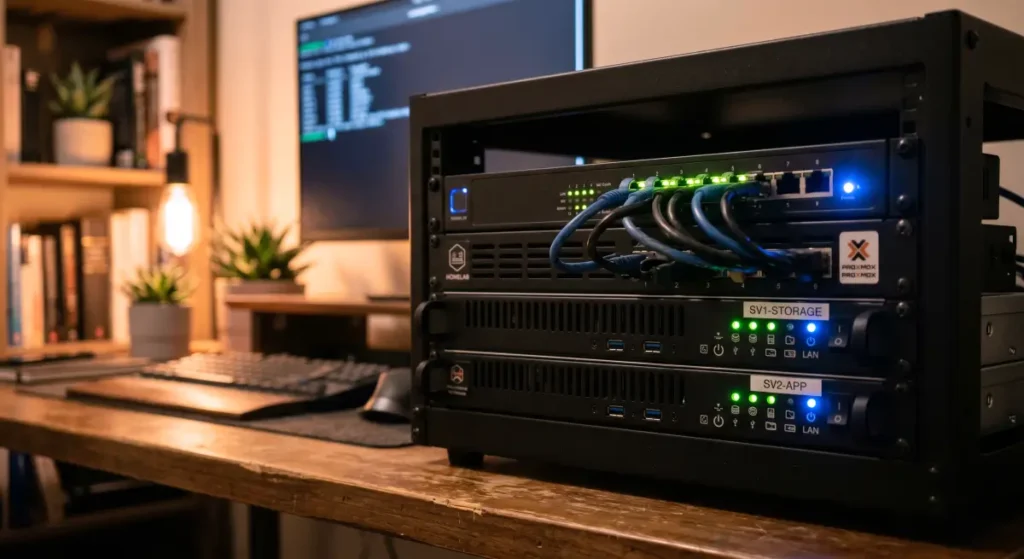
The available sources show that the network runs on over 5,000 independent nodes. These nodes route requests and provide API access to more than 60 different blockchains. This system focuses strictly on API routing and preventing single points of failure across web3 platforms.
Does the POKT Token Have A Real Utility?
The token utility is easier to evaluate here than in many other projects. The documentation ties POKT directly to specific protocol functions. The POKT token works on both the supply and demand sides of the network.
- Infrastructure providers: Operators must stake POKT to run a node, service data requests, and earn block rewards.
- Application developers: Users stake POKT to access the developer portal and secure network throughput for their specific applications.
- Governance: The token also allows users to vote within the network DAO on protocol changes.
This dual-staking model means the network actually needs the token to work, rather than relying on retail speculation.
Pocket Network Supply Structure and POKT Tokenomics
The available sources point out a dynamic tokenomics model that has recently gone through major structural changes.
| Tokenomics Factor | Details | Why It Matters |
|---|---|---|
| Total Supply | ~2.37 Billion POKT | Shows the current amount of tokens in existence. |
| Circulating Supply | ~2.34 Billion POKT | Most of the total supply is already circulating on the market. |
| Max Supply | Uncapped | The protocol dynamically mints tokens based on network usage. |
| Inflation / Emissions | Dynamic, Deflationary | Upgrades like Shannon v1.31 introduced deflationary mechanics. |
Unlike projects with a hard-capped supply, POKT minting is directly tied to the number of data relays and transaction fees in any given block.
A major research point for this token in any complete Pocket Network review is its transition in early 2026. The DAO passed PIP-41, introducing a 97.5% mint ratio to the network’s Shannon tokenomics. This change pushes the protocol toward deflationary mechanics.
Security Signals for the POKT Crypto Asset
Checking the security of a multi-chain infrastructure token means looking at both the native network and its bridged assets. Interacting across multiple chains brings new layers of vulnerability.
While some platforms show a high CertiK rating for the core project, automated contract scanners find serious issues on specific bridged versions of the token. Token Sniffer gives the Arbitrum and Avalanche deployments of POKT a 0/100 safety score.
The scanner flags these specific contracts because they contain a proxy contract. This setup could allow the core functionality to change, and ownership is not renounced.

A reader looking into this project needs to know that while the core protocol operates securely on its own consensus, interacting with bridged versions of POKT on other networks carries clear risks.
Pocket Network Ecosystem and Developer Adoption
Ecosystem activity looks steady based on developer metrics. A real utility token needs active builders who constantly deploy updates and improve node infrastructure.
The network’s GitHub repository shows 179 public repositories. This points to active, open-source development on core components like the Shannon upgrade and the gateway framework. The community holds weekly ecosystem office hours via YouTube and Reddit. The project also recently partnered with AnChain.AI to bring compliance intelligence into its infrastructure.
Historical Market Context
On the date checked, POKT traded near $0.0105 with a market capitalization of roughly $24.5 million. The token hit a historical all-time high of $3.10 in January 2022. It saw its all-time low of $0.0087 in April 2025.
Past performance does not predict future results, but this context shows the massive volatility across crypto market cycles.
Where the Pocket Network Infrastructure Looks Strong
- Clear Token Utility: The requirement to stake POKT for both bandwidth and node operation creates a direct link between network usage and token demand.
- Working Product: Supporting 60+ blockchains with over 5,000 active nodes shows actual execution beyond a whitepaper.
- Active Development: Consistent GitHub commits and regular DAO governance show an active, transparent team.
Key Risks to Watch With the POKT Token
- Smart Contract Control on Bridged Assets: Proxy contracts and unrenounced ownership on bridged versions of the token create a serious risk regarding who controls those specific contracts.
- Uncapped Maximum Supply: Although recent proposals added deflationary mechanics, the protocol lacks a hard maximum supply cap.
What Readers Should Verify
Before using the protocol, readers should independently check:
- The specific contract address they trade, especially if using a bridged version of POKT.
- The real-time inflation or deflation rate following the Shannon v1.31 upgrade.
- Current RPC alternatives, because Pocket Network competes against heavily funded centralized providers.
My Final Takeaway on This Pocket Network Review
To close out this Pocket Network review, the project solves a real structural problem in Web3 by cutting reliance on centralized data providers. Its main strength is that the documentation firmly connects the POKT token to network bandwidth and node operation. However, the lack of a fixed max supply and the security warnings on its bridged smart contracts mean readers must carefully verify which exact version of the token they use.

Founder & Managing Editor of CryptosMedia. Zahid Hussain leads evidence-based crypto research covering tokenomics, security, governance, adoption, and risk.
CryptosMedia separates verified facts from interpretation, avoids buy/sell recommendations, and updates reviews when major evidence changes.
1 thought on “Pocket Network Review: Utility, Risks, and Key Facts”