

While alternative networks battle for niche utility and temporary hype, Bitcoin operates on an entirely different paradigm as the undisputed apex asset of the digital economy. The fundamental question for modern investors is no longer whether the network will survive, but how its aggressive transition from a decentralized cypherpunk experiment into a heavily institutionalized, ETF backed reserve asset alters its core risk profile. This forensic review bypasses the standard digital gold marketing narrative to strictly examine the realities of its hard capped supply mechanics, the massive physical energy infrastructure securing its Proof of Work consensus, and the hidden systemic vulnerabilities that still threaten the world’s most dominant cryptocurrency.
How I Reviewed This Project
I reviewed this project by checking the original Bitcoin whitepaper, on-chain supply metrics, Bitcoin Core developer information, and recent ETF and institutional holding data. I treated market figures as time-sensitive and checked them only on the listed data date.
Token Utility: What Does BTC Actually Do?
Originally designed as a peer-to-peer electronic cash system to remove financial intermediaries, BTC is primarily used today as a decentralized store of value and medium of exchange. Holders use the token to transfer value globally without relying on a central bank or central authority. The network is expanding its utility through the Lightning Network, a Layer-2 solution that allows for faster, off-chain, high-volume transactions with instant reconciliation. Upgrades like Taproot have also laid the groundwork for complex multi-signature transactions and potential future smart contract capabilities.
Tokenomics and Supply Structure

The tokenomics are easier to evaluate than most projects because the emission schedule is hardcoded, public, and mathematically predictable. The main concern for researchers is tracking how heavily concentrated the circulating supply is becoming among institutional holders.
| Tokenomics Factor | Details | Why It Matters |
|---|---|---|
| Max Supply | 21,000,000 BTC | Creates absolute scarcity; the supply cannot be artificially inflated by a central entity. |
| Circulating Supply | ~20.04M BTC (as of June 2026) | Over 95% of all Bitcoin has already been mined and is circulating in the market. |
| Inflation / Emissions | Halves roughly every four years | The block reward decreases every 210,000 blocks, heavily restricting new supply entering the market. |
| Allocation | No pre-mine | No coins were freely allocated to a team prior to public launch, though early mining competition was low. |
| Treasury Holdings | ~1.33M BTC in public treasuries | Shows heavy institutional accumulation, removing liquid supply from the open market. |
Team, Governance, and Transparency
Bitcoin has no central foundation, CEO, or marketing department. The pseudonymous creator, Satoshi Nakamoto, released the open-source code and stepped away from the project in 2010. Today, a global community of open-source developers maintains the Bitcoin Core repository on platforms like GitHub. Changes to the protocol require broad consensus among users, miners, and developers to be adopted. This makes sudden or risky governance changes highly unlikely, providing a level of stability not seen in more centralized networks.
Security and Network Consensus
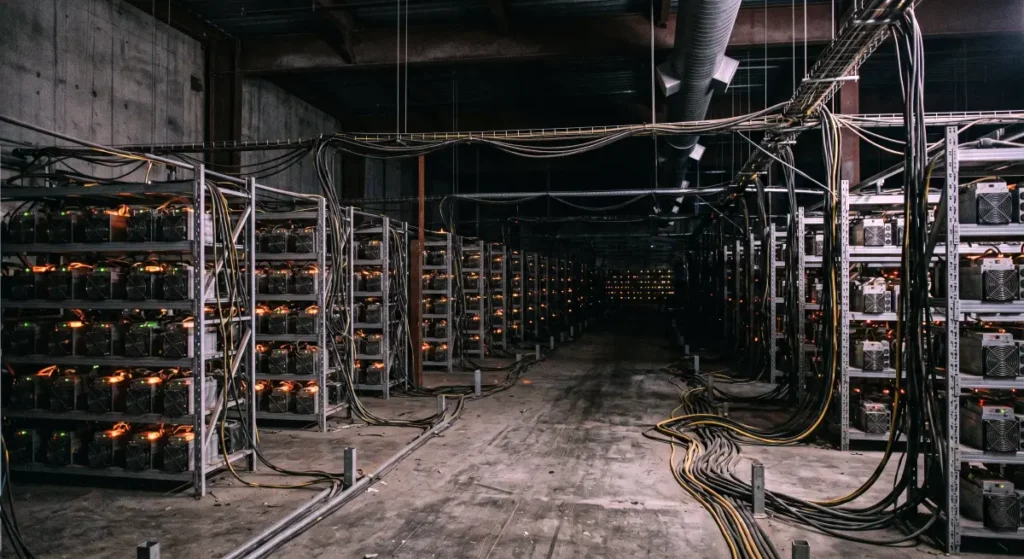
Instead of a traditional smart contract audit, Bitcoin relies on a Proof-of-Work (PoW) consensus mechanism secured by the SHA-256 algorithm. Global miners generate the computational power (hash rate) that secures the network. While no network is perfectly immune to theoretical threats-such as a 51% attack where a single entity overpowers the honest nodes-Bitcoin remains the most heavily tested and capitalized blockchain in existence.
Historical Market Context
On June 13, 2026, market trackers listed BTC near $63,756 to $64,023 with a market capitalization of roughly $1.27 trillion. The asset reached a historical all-time high of over $126,000 in October 2025. Recent institutional involvement, including BlackRock ETFs and massive corporate treasury holdings by companies like MicroStrategy (which holds over 845,000 BTC), has deeply integrated BTC into traditional finance. Past performance does not guarantee future results, and the asset remains highly sensitive to macroeconomic events, employment data, and ETF outflows.
Main Strengths
The project’s clearest strength is its absolute scarcity and unmatched network security. Its decentralized design prevents any single entity from censoring transactions or inflating the supply, making its use case as a digital store of value much easier to evaluate than tokens with centralized treasuries. The steady implementation of institutional-grade vehicles, like spot ETFs and volatility futures from the CME Group, adds deep liquidity to the market.
Risks and Red Flags
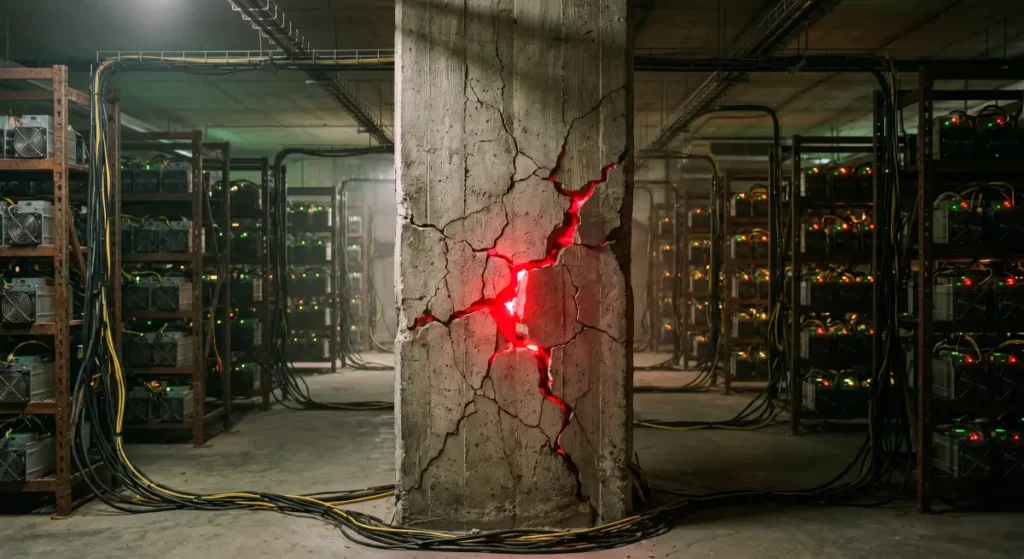
Despite its size, readers should consider several serious risks:
- Regulatory Uncertainty: The regulatory landscape remains fragmented. While countries like El Salvador accept it as legal tender, others like China have strictly banned crypto transactions and mining.
- Energy Consumption: The energy required to secure the Proof-of-Work network continually draws heavy regulatory scrutiny and environmental criticism, though miners increasingly rely on renewable sources.
- Institutional Concentration: The heavy concentration of BTC in spot ETFs and public company treasuries means traditional market panic can easily spill over into Bitcoin’s price, shifting its behavior away from being a truly uncorrelated asset.
- Future Technical Threats: Market researchers note that Bitcoin must eventually adopt quantum-safe signatures by 2030 to protect its network from the theoretical risks posed by quantum computing.
Common Questions About Bitcoin
- Does Bitcoin have a fixed supply? Yes, the protocol limits the maximum supply to exactly 21 million coins.
- Who controls Bitcoin? No single entity, bank, or government controls the network. It operates via decentralized consensus among independent node operators, miners, and developers.
- What is the Lightning Network? It is an off-chain, layered payment protocol built on top of Bitcoin that operates bidirectional payment channels to allow for instant, low-fee transactions.
- Does this review give investment advice? This review does not provide buy, sell, or hold advice. Readers should study the project’s utility, tokenomics, network security, liquidity, and macroeconomic risks before making their own financial decisions.
My Final Takeaway
Bitcoin is the easiest crypto project to research because its code is completely open-source, its emission schedule is entirely predictable, and its decentralized nature is verifiable. The main concern for readers today is not whether the base network functions securely, but how heavily institutional adoption-like massive spot ETF holdings and corporate treasuries-will change its market behavior. Readers looking at BTC should evaluate whether they are comfortable with ongoing macroeconomic volatility and the shifting global regulatory landscape before interacting with the network.

Founder & Managing Editor of CryptosMedia. Zahid Hussain leads evidence-based crypto research covering tokenomics, security, governance, adoption, and risk.
CryptosMedia separates verified facts from interpretation, avoids buy/sell recommendations, and updates reviews when major evidence changes.
5 thoughts on “Bitcoin (BTC) Forensic Review: Institutional Adoption, and Real Risks”