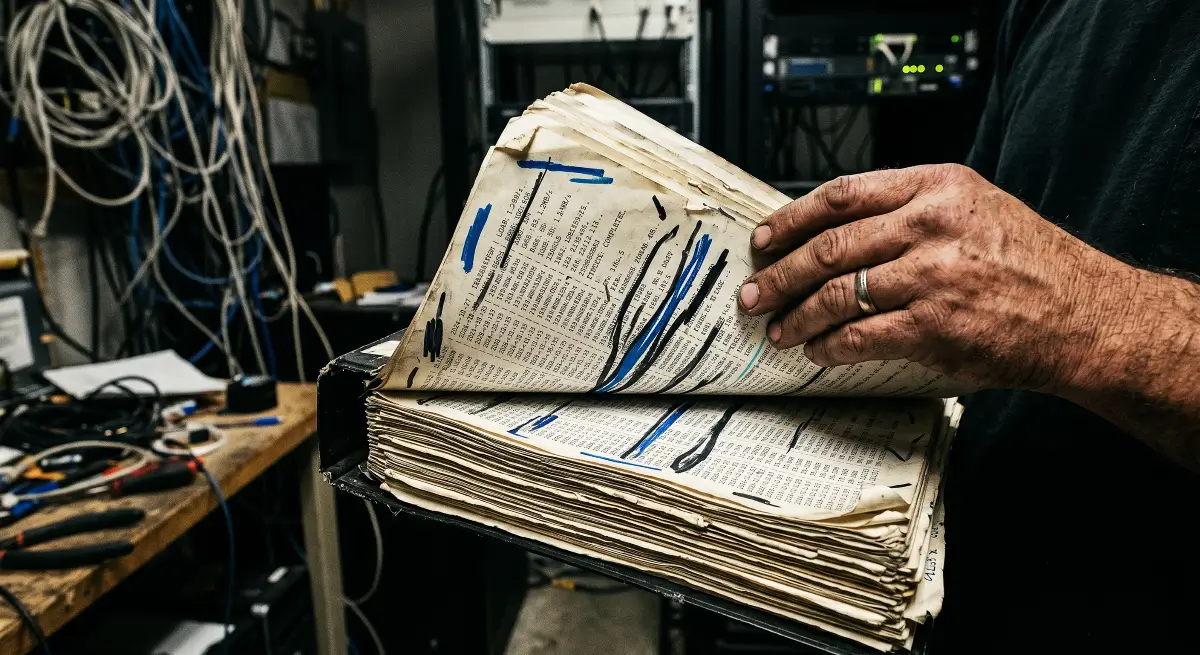
Most investors approach the Ethereum Token Layer 2 landscape by looking at price action, but this ignores the fundamental economic shift happening under the hood. While the network’s base layer remains the engine for global decentralized finance, the financial rewards are increasingly migrating to secondary scaling solutions. This Ethereum Token Layer 2 analysis investigates why this migration is happening, whether the main asset still captures value, and if the current supply structure poses a long-term risk to holders. We cut through the institutional marketing to examine the actual data behind the Ethereum Token Layer 2 infrastructure and what it means for your research.
My Ethereum Token Research Method
My review process started with the official papers. I read the original whitepaper first. Then, live network data from Etherscan provided on-chain facts. Market numbers came from CoinMarketCap. Statements from the Ethereum Foundation helped clarify recent changes. Because this ecosystem is huge, my focus remained on the main network. Checking how it works with smaller connected networks was also necessary. Market numbers are time-sensitive. Therefore, all data reflects only the date listed above.
What the Ethereum Token Is and the Problem It Solves
The project started in 2013 and officially launched in 2015. Developers built it to act as a world computer. Bitcoin serves mostly as a digital money ledger. The Ethereum network introduced a full programming language instead. Anyone can write digital contracts on this platform. These codes run entirely by themselves. No central boss is needed to approve them.
Traditional apps use company servers. This setup means corporations control your data. Ethereum fixes this problem through decentralization. A global network of everyday computer operators approves the transactions. This system built the new digital finance world. Digital art ownership also started here. The platform continues to build large digital communities.
Core Ethereum Token Utility
The native coin goes by the name Ether or ETH. This asset handles very specific jobs. The Ethereum token utility remains clear and heavy.
Gas Fees
Every transaction needs computer power. Running digital contracts requires computational energy too. Users pay for this service in ETH. The community calls this fee gas.
Network Security
A major update changed how the network runs in 2022. Now, users lock up the Ethereum token to secure the system. A minimum of 32 ETH is required for this action. This deposit lets operators approve transactions. Operators earn new ETH as a reward for doing this work.
Ecosystem Backup
ETH acts as a major backup asset. Digital finance apps rely on it heavily. These platforms use the coin mostly for lending and borrowing.
Many crypto coins only offer voting rights. The Ethereum token operates differently. You must hold it to use the network.
Ethereum Token Supply Structure
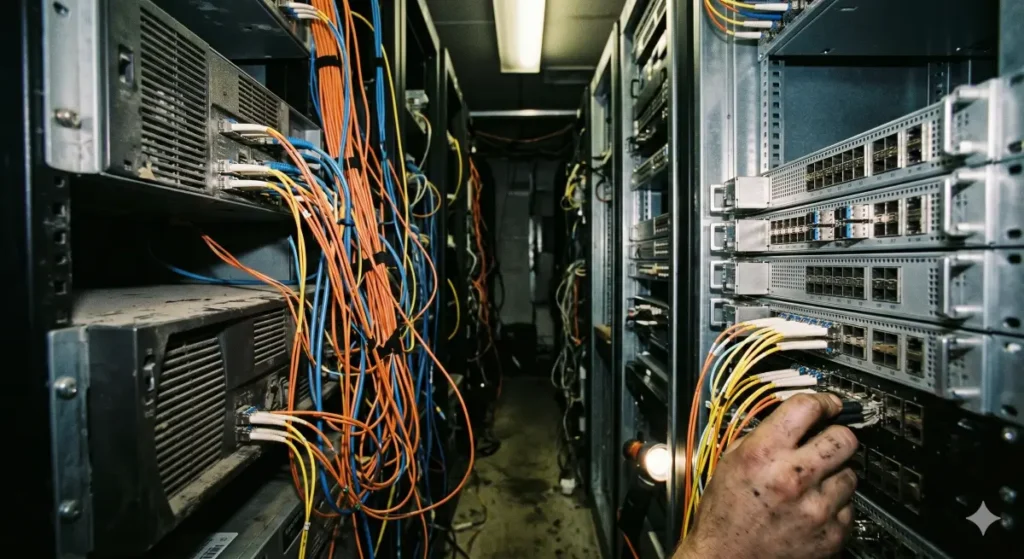
The Ethereum token supply rules change based on network use. Market data from CoinMarketCap on June 19, 2026, shows the current supply picture.
| Supply Factor | Details | Why It Matters |
|---|---|---|
| Total Supply | ~120.68 Million ETH | Shows the current number of coins. |
| Max Supply | Infinite (No Hard Cap) | Supply is not strictly limited. Inflation depends on burning fees. |
| Allocation | Handed out in 2014 and to network workers later. | There are no hidden insider unlocks waiting to drop. |
| Burn Mechanism | The network burns the base fee of every transaction. | This destroys ETH when the main network is busy. |
| Inflation | Currently going up. | Layer-2 are cheap, so the main network burns fewer fees. |
Current supply rules face a new problem today. A recent code update made Layer-2 cheaper to use. Now, the main network generates fewer fees to destroy. This shift adds about 45,000 new coins to the supply every month.
Team, Governance, and Ethereum Token Control
The network is open for anyone to build on. Still, the Ethereum Foundation plays a huge role. This non-profit group operates from Switzerland. Funding and guiding development has been their main job.
Leadership saw big changes in 2026. Several top directors departed suddenly. Many lead developers also walked away. The community naturally asked questions about these exits. Co-founder Vitalik Buterin answered these concerns publicly. He confirmed the group is stepping back to reduce central control. Community votes now decide network changes. However, losing so many leaders at once creates short-term confusion.
Ethereum Token Ecosystem and Real Adoption Metrics
Over one million developers actively work on this network. Big banks like JP Morgan and BlackRock use the chain to track real assets. But a clear tension exists between usage and profit. Layer-2 capture almost all the money now. These smaller chains pay very little back to the main layer. The ecosystem remains undeniably active. Unfortunately, the financial rewards are migrating away from the Ethereum token itself.
Analyzing Ethereum Token Layer 2 Security and Technical Risks
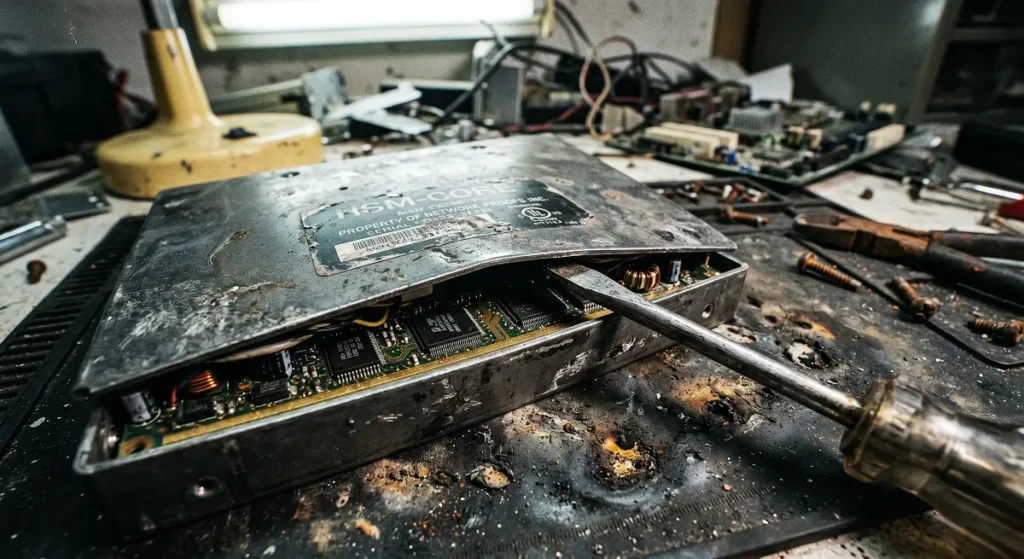
Core network code is public and heavily tested. A major 2022 update changed the entire security model. This shift cut energy use by over 99 percent. But public blockchains always carry risks. Digital contracts cannot be changed easily after launching. Code mistakes become permanent instantly. Developers are currently building advanced privacy features. Future updates will also stop supercomputers from breaking the network.
Historical Market Context
Checking past market data for the Ethereum token provides perspective. Historical numbers show how much the price moves.
- All-Time High: The highest price was $4,891.70 on November 10, 2021.
- Current Range: The price was near $1,707 on June 19, 2026.
- Market Capitalization: The total value is about $206 billion.
Crypto prices change extremely fast. Readers must verify current numbers before making decisions. Past performance never guarantees future results.
Main Ethereum Token Strengths
- Neutral Platform: The network has no single corporate owner. This neutrality builds trust with major banks.
- Developer Ecosystem: The chain hosts the most developers in crypto. Good apps usually bring in regular users.
- Established Utility: Users must hold the Ethereum token to pay for gas. This requirement gives the coin a real, daily purpose.
Ethereum Token Risks and Red Flags
- Secondary Network Leaks: Smaller networks keep most of the profits. Consequently, the main network loses valuable fee revenue.
- Returning Inflation: The fee-burning system is failing to destroy enough coins. As a result, the total supply is growing again.
- Foundation Brain Drain: Many senior leaders departed recently. This sudden exit creates questions about future guidance.
How the Ethereum Token Compares with Competitors
The platform boasts more big banks using its technology. However, transaction speeds are slower than rivals directly on the main layer.
| Metric | Ethereum (ETH) | Solana (SOL) |
|---|---|---|
| Category | Main Contract Network | Main Contract Network |
| Speed Method | Relies on Layer-2 | Fast Directly on the Main Network |
| Supply Rule | Changes Based on Use | Inflates Over Time |
| Ecosystem | Biggest (Digital Finance) | Growing Fast (Daily Trading) |
| Main Risk | Losing Fees to Layer-2 | History of Network Crashes |
What Readers Should Verify
Readers should check a few important details before using the network.
- Review current gas fees on the main network.
- Verify token contract addresses to avoid scams.
- Research the security of any secondary network you use.
- Confirm if the Ethereum token supply is currently shrinking or growing.
Common Questions About the Ethereum Token
What is the Ethereum token used for?
ETH pays for transaction fees. Users lock it up to secure the network. Digital finance apps also use it as backup money.
Does Ethereum have a maximum supply limit?
No hard cap exists for this coin. Inflation entirely depends on network use and burned fees.
Who controls Ethereum?
No single person or company holds total control. A global network of computers runs the system. Major changes need agreement from the whole community.
Is Ethereum audited?
Yes, the core network undergoes heavy testing. Individual apps built on top are different, though. App creators carry the responsibility for their own code security.
Does this article give investment advice?
No, this article does not offer buy or sell signals. Readers must study the risks carefully before making financial choices.
My Final Takeaway
The network continues doing great as a pure technology. The platform hosts billions in digital dollars. Real-world asset tokenization happens here daily. The system also uses very little energy now.

But the Ethereum token itself faces an economic hurdle. Layer-2 successfully killed the high transaction fees on the main layer. Future upgrades must find a way to reconnect the massive activity of smaller networks back to the value of the ETH coin.

Founder & Managing Editor of CryptosMedia. Zahid Hussain leads evidence-based crypto research covering tokenomics, security, governance, adoption, and risk.
CryptosMedia separates verified facts from interpretation, avoids buy/sell recommendations, and updates reviews when major evidence changes.
5 thoughts on “Ethereum Token Layer 2 Review: Potential and Risks”