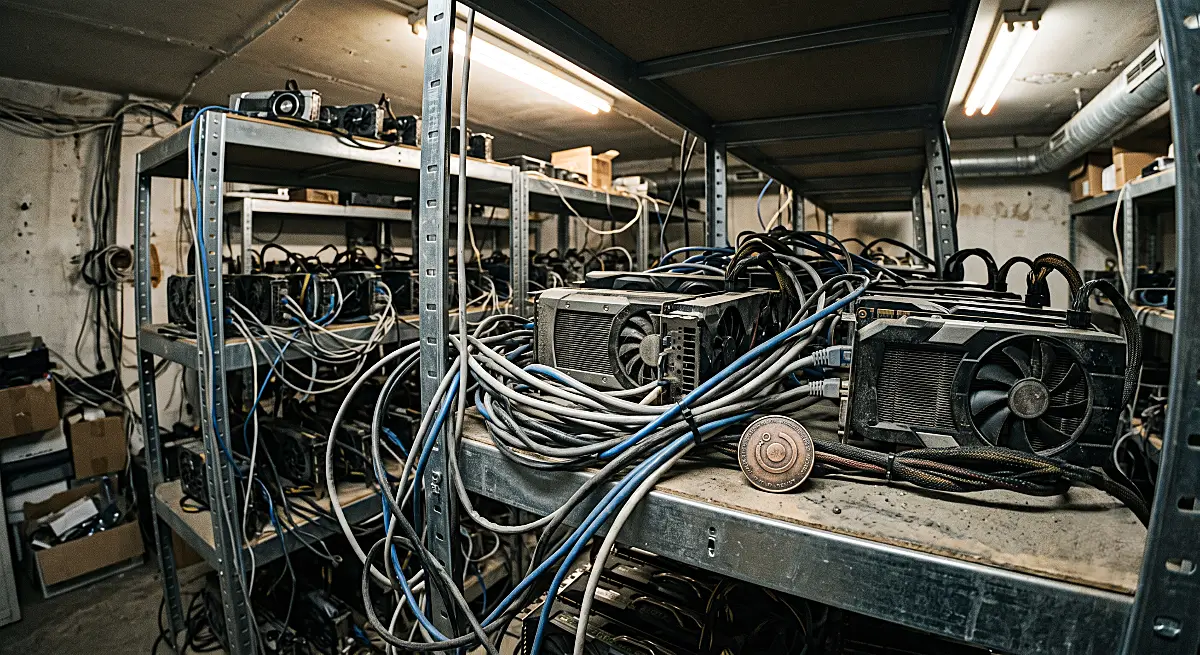
The Render Network bypasses speculative noise to solve a massive hardware bottleneck. Crypto projects often look simple from the outside like a logo, a chart, or a short promise. The global demand for high-end visual processing power is skyrocketing. This is driven by 3D animation, gaming, and AI model training. Digital creators traditionally invested in expensive hardware or paid premium prices to centralized cloud providers. This platform attempts to build a decentralized peer-to-peer marketplace that aggregates idle GPUs globally.
How I Audited The Render Network Project
Evaluating native documentation, technical design files, and on-chain transaction logs helped me audit this project. I systematically verified token utility, supply structure, corporate governance, and security architecture. All market figures are treated as time-sensitive, checked strictly on the designated date.
The Core Solution: Balancing The GPU Shortage
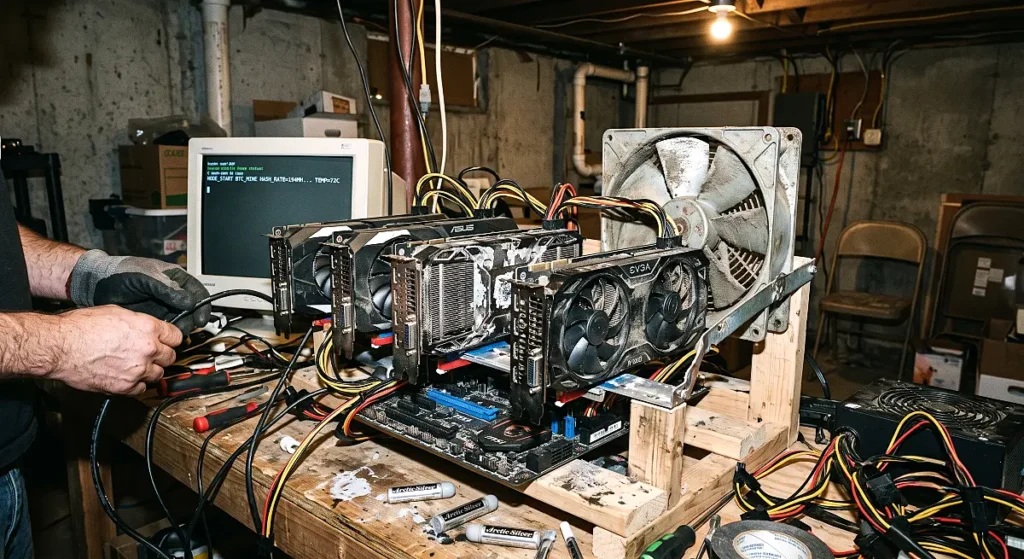
At its core, the platform functions as an ‘Airbnb’ for computer graphics power. It establishes a two-sided marketplace to balance GPU supply and demand.
- The Creators: These are digital artists or machine learning engineers who lack computational muscle. They upload their scene files to the network.
- The Node Operators: These are individuals or data centers possessing high-performance GPU hardware. They connect their machines to process creator files.
The software splits large projects into microscopic pieces and distributes them across hundreds of idle GPUs globally.
Strategic Partnerships And Software Integration
The platform maintains deep connections with corporate technology leaders through OTOY, Inc. OTOY optimized its OctaneX software specifically for Apple Silicon M-series chips. Apple featured OctaneX during major keynote presentations. This positions the protocol to serve as a background processing engine for spatial computing products.
The platform architecture is also compiled around NVIDIA CUDA technology. It acts as a secondary market aggregator, pooling consumer-grade graphics cards into an enterprise network. The project recently completed a full technical migration to the Solana blockchain. Solana provides the sub-second execution speeds required for micro-payments.
Token Utility And The Burn-And-Mint Economy
The native token coordinates payments through a closed economic system. Creators pay to buy GPU compute cycles, while node operators receive compensation for providing hardware power.
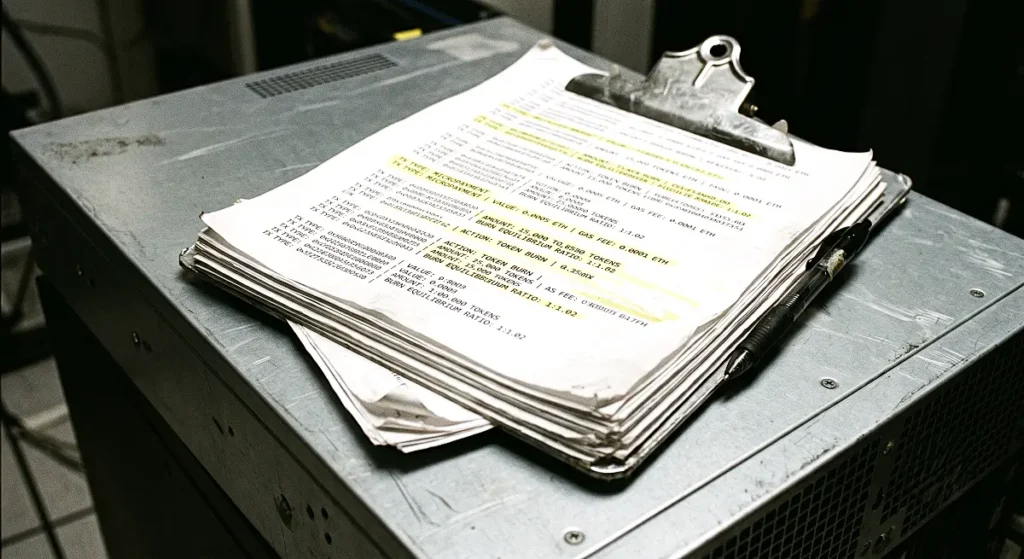
The protocol uses a custom Burn-and-Mint Equilibrium (BME) model. It permanently burns a portion of the tokens used to pay for jobs. Concurrently, it mints new tokens to distribute to the node operators as reward emissions. If market demand for GPU power is high, more tokens are burned than minted.
Render Network Tokenomics And Supply Structure
I analyzed the core tokenomic statistics using verified on-chain metrics.
| Tokenomics Metric | Verified Data | Why It Matters |
|---|---|---|
| Max Supply | 644,168,762 Tokens | The absolute hard cap on the total number of tokens. |
| Total Supply | 533,532,274 Tokens | Tokens minted minus those verifiably burned. |
| Circulating Supply | 518,772,101 Tokens | The amount currently circulating in public hands. |
Render Network Security Audit And Centralization Risks
A prominent risk factor identified during my blockchain analysis is the severe concentration of token holdings. The Top 100 holders control over 95 percent of the legacy ERC-20 token supply.
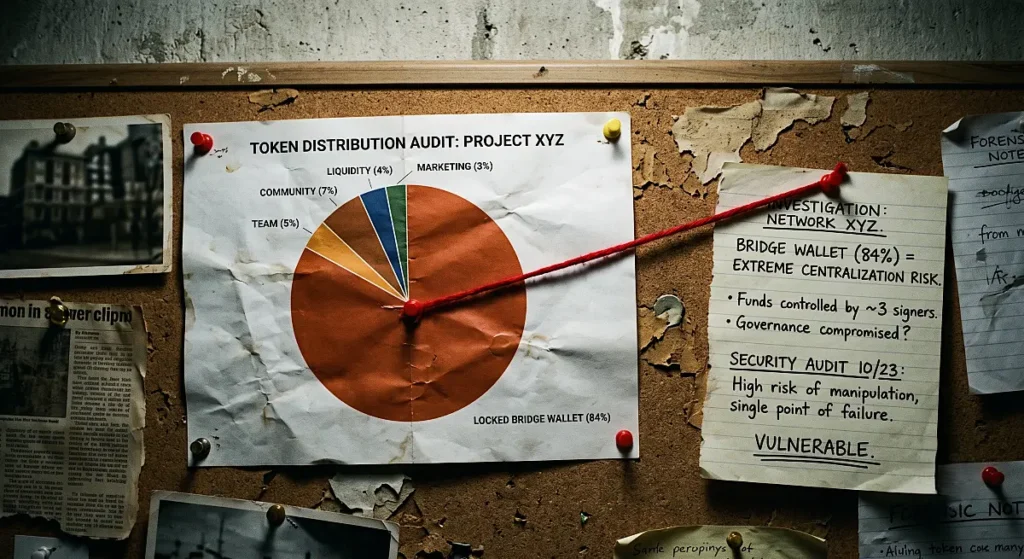
The single largest wallet is the official Wormhole Token Bridge. It holds roughly 84 percent of the total supply. While this is a locking contract safeguarding tokens bridged to Solana, it means the token economy is highly dependent on the security of the Wormhole multi-sig bridge. Any exploit affecting this cross-chain bridge could severely impact the token collateralization.
How It Stacks Up Against Competitors
The decentralized physical infrastructure network (DePIN) sector features several projects targeting GPU aggregation.
| Metric | Render Network | io.net (IO) | Bittensor (TAO) |
|---|---|---|---|
| Category | DePIN GPU Compute | Decentralized GPU Clusters | Decentralized ML Models |
| Supply Model | Burn-and-Mint | Fixed with Buybacks | Halving-Based Block Emission |
| Blockchain | Solana | Solana | Custom Substrate Blockchain |
Frequently Asked Questions
What is the difference between RNDR and RENDER?
RNDR is the legacy ERC-20 utility token hosted on Ethereum, while RENDER is the new utility token hosted on the Solana blockchain.
Does the network have a fixed maximum supply?
Yes. The maximum supply is strictly capped at 644,168,762 tokens.
Does this text give investment advice?
No. This analysis does not provide buy, sell, hold, or trading recommendations. Readers must perform independent research before committing capital to any crypto asset.
The Bottom Line For Readers
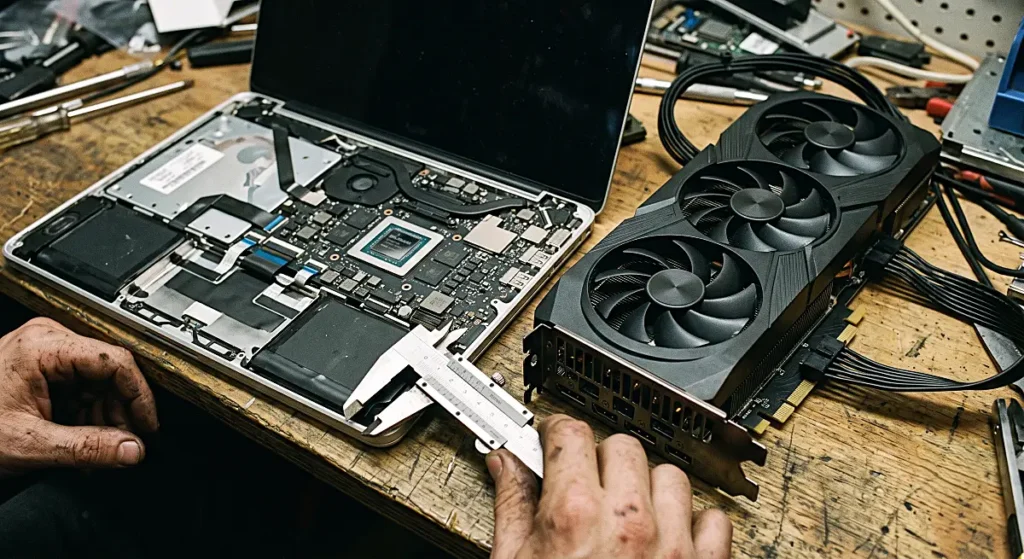
The platform presents one of the most mature use cases in the decentralized compute sector. Its software integration with Apple OctaneX provides structural utility that sets it apart from speculative meme coins. However, the structural reliance on the Wormhole Token Bridge remains a concentrated security risk. The long-term value depends entirely on whether real-world compute demand can consistently outpace the minting emission schedules.

Founder & Managing Editor of CryptosMedia. Zahid Hussain leads evidence-based crypto research covering tokenomics, security, governance, adoption, and risk.
CryptosMedia separates verified facts from interpretation, avoids buy/sell recommendations, and updates reviews when major evidence changes.