
A comprehensive Gala Crypto Audit reveals a hard truth. There is a massive gap between marketing claims and true blockchain data. Decentralized player ownership sounds great on paper, but the reality on the network is far more complex. This deep dive inspects how the asset operates, the architecture powering GalaChain, and the financial risks confronting node operators.
Verification Approach
This assessment uses real technical papers, CertiK security logs, and transaction history. Every metric, wallet rule, and token price is verified as of July 2026 to ensure complete accuracy.
Technical Foundation of GalaChain
Gala Games started in 2019 to return digital asset control to players through gaming NFTs. The platform has since expanded into music and film without using initial coin offerings or venture funds.
Infrastructure Shift
Recently, the ecosystem migrated from Ethereum to its native Layer-1 network called GalaChain. Built on Hyperledger Fabric, this permissioned framework runs a consensus system aimed at handling high volume. Every single transaction carries a fixed fee of 1 GALA.
Token Utility Matrix
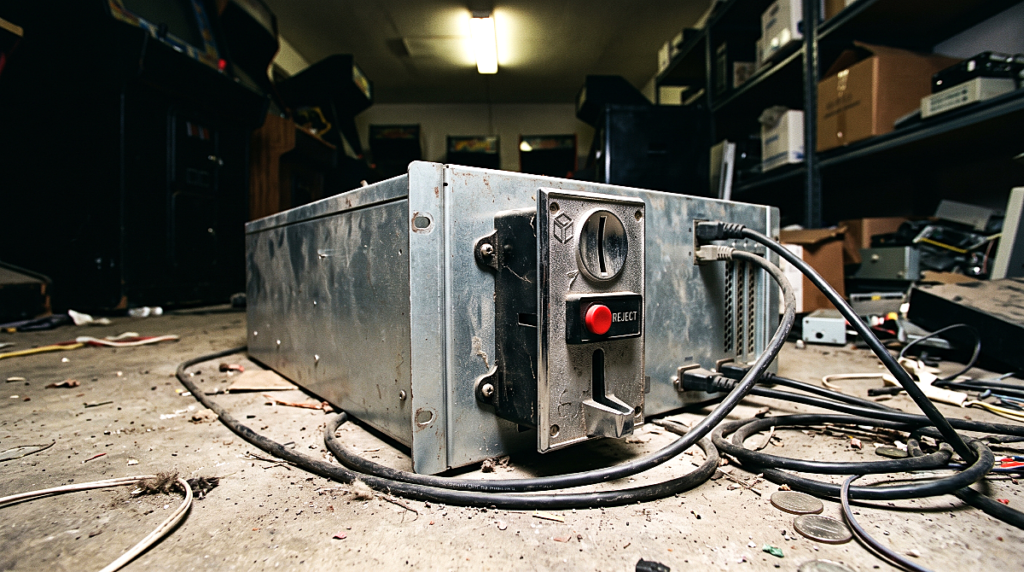
The token acts as the main economic driver across the network, serving specific functions:
- Marketplace Trading: Used to buy land and characters in active games.
- Network Fees: Powers gas execution and token swaps.
- Operator Rewards: Distributed to individuals running node software.
- Governance: Allows community votes on structural adjustments.
Supply Dynamics and Halving
The total maximum supply is capped at 50 billion tokens. New coins enter circulation solely through daily distribution rewards to active Founder’s Nodes. This split goes 50 percent to operators and 50 percent to the core management entity.
Core Tokenomics Data
To control inflation, all tokens used for network gas are permanently burned. The daily emission rate drops automatically as the circulating supply hits specific milestones.
| Factor | Details | Why It Matters |
|---|---|---|
| Max Supply | 50,000,000,000 GALA | Absolute cap on the tokens that can ever exist. |
| Circulating Supply | Over 48.5 Billion GALA | Approximately 97% of the supply is already circulating, reducing the risk of major future dilution. |
| Live Market Cap | ~$112,337,364 USD | Reflects the network’s current valuation based on the latest market price (July 2026). |
| Token Burn Model | 100% of Network Gas Is Burned | Creates organic deflation by permanently removing tokens from circulation based on actual network usage. |
The 1 Million Token Requirement
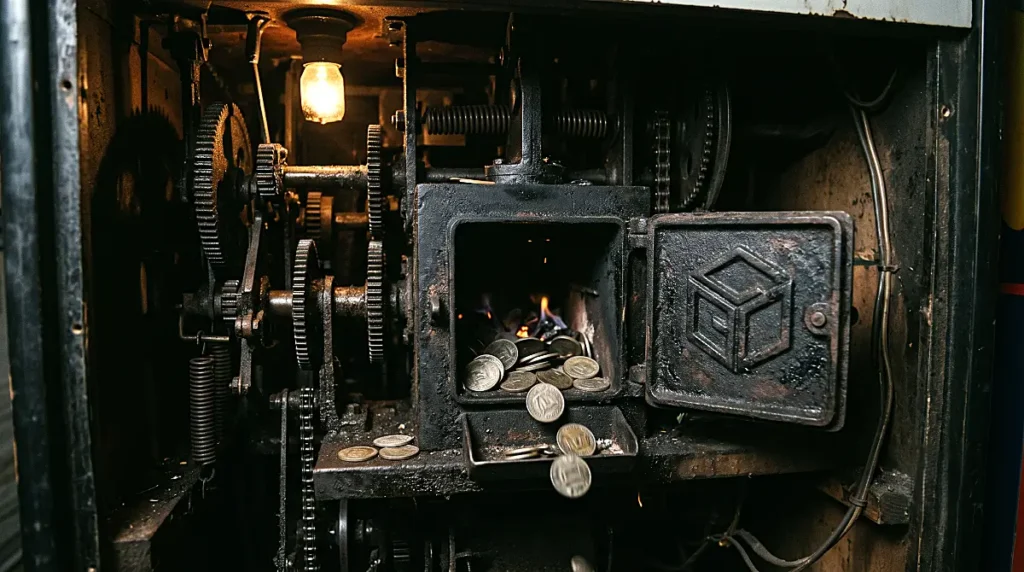
Ecosystem governance faced a major shift in June 2025. The platform updated its rules, forcing operators to hold 1 million GALA per node in their wallet to receive 100 percent of daily yields.
The Impact on Small Holders
If an operator holds less than the 1 million token threshold, their daily rewards scale down heavily. This change sparked intense community backlash. Early backers argue it favors massive capital holders while penalizing the decentralized base.
The Decentralization Roadmap
The project plans to move GalaChain from a semi-permissioned state to full decentralization across four phases:
- Moving consensus protocols to block single points of failure.
- Distributing data nodes globally across partner hosting centers.
- Integrating block validation completely with public nodes.
- Launching community proposals for on-chain voting.
Security Logs and Historical Exploits
Smart contract safety shows mixed results. The asset holds a high AAA rating and a Gold badge on CertiK, indicating heavily tested code bases. A multisig setup prevents single developers from controlling admin keys alone.
Past Network Failures
Despite good ratings, the system has suffered severe vulnerabilities:
- The v2 Address Migration: The system moved to a new contract address, leaving old transactions entirely unsupported.
- The pGALA Bridge Exploit: A flaw in the bridge contract led to massive creation of valueless tokens, triggering user losses.
- Emergency Updates: Late 2024 required rapid infrastructure upgrades to patch validation gaps after tokens were stolen.
Network Head-to-Head Comparison
Comparing the Gala framework against top Web3 gaming networks reveals its exact market standing:
| Metric | Gala (GALA) | Immutable X (IMX) | Ronin Network (RON) |
|---|---|---|---|
| Architecture | Proprietary L1 (GalaChain) | Ethereum Layer-2 Rollup | EVM Gaming L1 |
| Gas Fees | Fixed at 1 GALA | Gas-Free for Off-Chain Minting | Low Variable Gas in RON |
| Coding Language | TypeScript | Solidity / Cairo | Solidity |
| Security Status | CertiK Gold, AAA Rating | Inherits Ethereum Security | Restructured After Bridge Hack |
| Ecosystem Scope | Games, Music, and Cinema | Purely Web3 Gaming | Axie Infinity & Partners |
Structural Strengths vs Project Closures
Key Benefits
The use of TypeScript opens development to millions of regular software engineers. Furthermore, the asset enjoys organic demand since it is required for all in-game actions and fees.
Red Flags
In late 2025, reports confirmed the closure of multiple projects within the ecosystem due to financial struggles and low active player numbers. While the team framed this as a strategic consolidation to improve Layer-1 infrastructure, it caused massive community anxiety. Additionally, branching out into online casinos, films, and music has spread capital thin, slowing down actual game delivery.
On-Chain Verification Checklist
Before committing capital to this ecosystem, readers should manually verify these data points:
- Check current circulating supply through the official API metadata.
- Track active daily wallet numbers instead of relying on social media statistics.
- Confirm you are using the correct v2 contract address (
0xd1d2Eb1B1e90B638588728b4130137D262C87cae) for transfers. - Review the official Discord for sudden changes to the 1 million token node rule.
Clear Answers to Common Questions
What is GALA used for?
It pays for all transaction gas fees, NFT purchases, and node validation rewards on GalaChain.
Is GALA a coin or a token?
It started as an Ethereum token but now acts as the native coin of the proprietary GalaChain Layer-1 network.
Is the network fully secure?
CertiK gives the core contracts a AAA rating, but this technical score does not eliminate project management risks or bridge exploits.
The Bottom Line
Gala provides a fast, developer-friendly infrastructure by allowing standard programming tools to bypass Ethereum limitations. However, strict node holding rules and project cancellations cloud its long-term outlook. Investors must look past corporate promises and base decisions purely on verifiable on-chain data.

Founder & Managing Editor of CryptosMedia. Zahid Hussain leads evidence-based crypto research covering tokenomics, security, governance, adoption, and risk.
CryptosMedia separates verified facts from interpretation, avoids buy/sell recommendations, and updates reviews when major evidence changes.
1 thought on “Gala Crypto Audit: Is The Token Dead?”