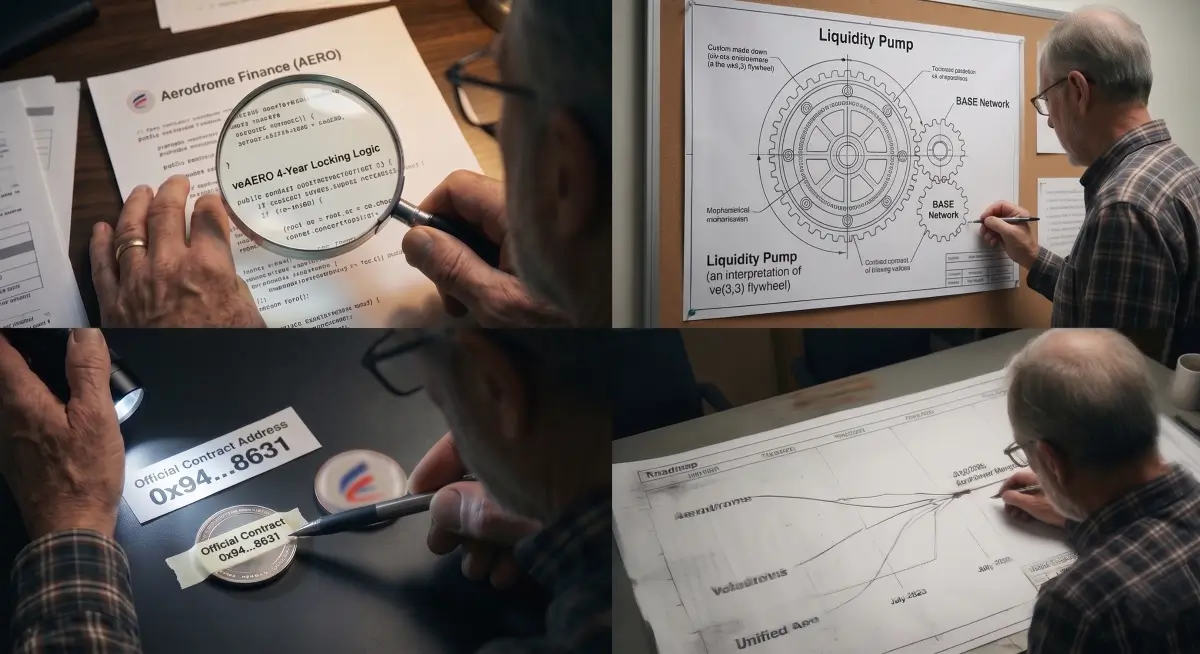
This Aerodrome Finance review, audits the Base network’s liquidity engine. Base is a rapidly expanding Layer-2 blockchain. Sustained growth, however, requires deep capital markets. Aerodrome Finance serves as the primary liquidity hub for this ecosystem. It solves the liquidity problem, allowing users to trade digital assets without massive price slippage.
This Aerodrome Finance review bypasses the surface-level yields to audit the exact smart contract infrastructure powering this exchange, the mandatory lock-up periods, and the massive centralization risks inherent to its supply model.
DEX Category Comparison
To evaluate structural market health, researchers must compare the protocol directly against its largest decentralized competitors.
| Feature | Aerodrome Finance | Uniswap | Curve |
|---|---|---|---|
| Main Network | Base (Layer-2) | Ethereum | Ethereum |
| Revenue Model | 100% to Voters | Shared with LPs | 50% to Voters |
| Governance | Vote-Escrow | Standard Voting | Vote-Escrow |
| Lock Period | Up to 4 Years | No Lock Required | Up to 4 Years |
| Primary Use | Ecosystem Liquidity | Token Swapping | Stablecoin Swaps |
Core Architecture: Aerodrome Finance Review Insights
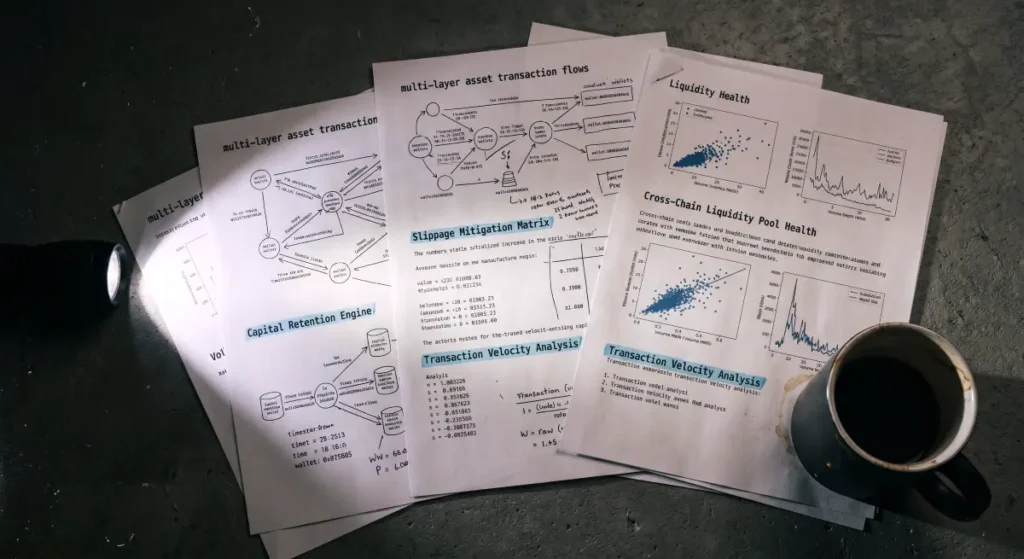
Aerodrome is not a standard decentralized exchange. The primary function of this platform is concentrated capital retention. In cryptocurrency, liquidity dictates overall market health.
Users swapping tokens on the network receive instant execution at fair market rates. The protocol achieves this stability by mathematically routing high-yield rewards directly to liquidity providers who park their capital inside the ecosystem. By optimizing the original Optimism-based model, the developers integrated the architecture directly with the broader Coinbase ecosystem.
Tokenomics and the 4-Year Lock
Evaluating the economic foundation of this system requires understanding the voting distribution model. The official smart contracts push users to lock their native AERO tokens for extended durations spanning up to four years. The absolute incentive here is voting power. Locking the asset generates veAERO (vote-escrowed AERO). This secondary asset provides strict governance weight, granting users the authority to direct weekly token emissions to specific liquidity pools. In return, these voters collect 100% of the trading fees and external bribes generated by their chosen pools.
The Emission and Bribe Mechanics

The underlying bribe cycle forms the concrete mathematical foundation of the project’s long-term utility.
Aerodrome operates on a strict weekly emission schedule. New tokens are minted and distributed to users providing active liquidity. The specific pools receiving the largest share of these tokens are decided entirely by veAERO voters.
External protocols require deep liquidity for their own tokens to survive on the Base network. To attract this liquidity, they pay direct bribes in USDC or Ethereum to veAERO holders. Bribes attract voters, voters direct the AERO emissions, and these emissions draw deeper liquidity from the open market.
Historical Market Context
The protocol launched on August 28, 2023, utilizing a highly equitable distribution model. The developers minted 500 million initial tokens and airdropped 200 million directly to the community to align cross-network governance.
Looking at the June 2026 data, the AERO token trades near $0.41, with a circulating supply sitting at approximately 944 million. The asset previously hit an all-time high of $2.32 during peak speculative demand. This severe 80% price contraction from the top serves as a standard market warning: buying into peak inflationary reward cycles often leads to heavy portfolio damage.
Ecosystem Roadmap: The July 2026 Merger
The core engineering team, led by verified founders Alex Cutler and Tao Watts, operates through Dromos Labs. Because the founders maintain public profiles and document code modifications openly, the proxy contract threat usually associated with anonymous teams is heavily reduced.
Dromos Labs is currently executing a major structural upgrade. By July 2026, the roadmap dictates a complete merger between the Aerodrome and Velodrome networks into a single, cross-chain decentralized exchange. This strategic pivot transitions the platform from a Base-native application to a unified liquidity system designed to target the market share of legacy giants.
Security Threats and Scam Alerts
While official code scanners confirm the base contracts are clean, the broader Base ecosystem hosts active fraudulent copycat applications. Users must manually verify the exact official smart contract string (0x940181a94a35a4569e 4529a3cdfb74e38fd98631) before signing any execution approvals. Never execute transactions routed through unverified social media links.
Final Verdict & Market Risks
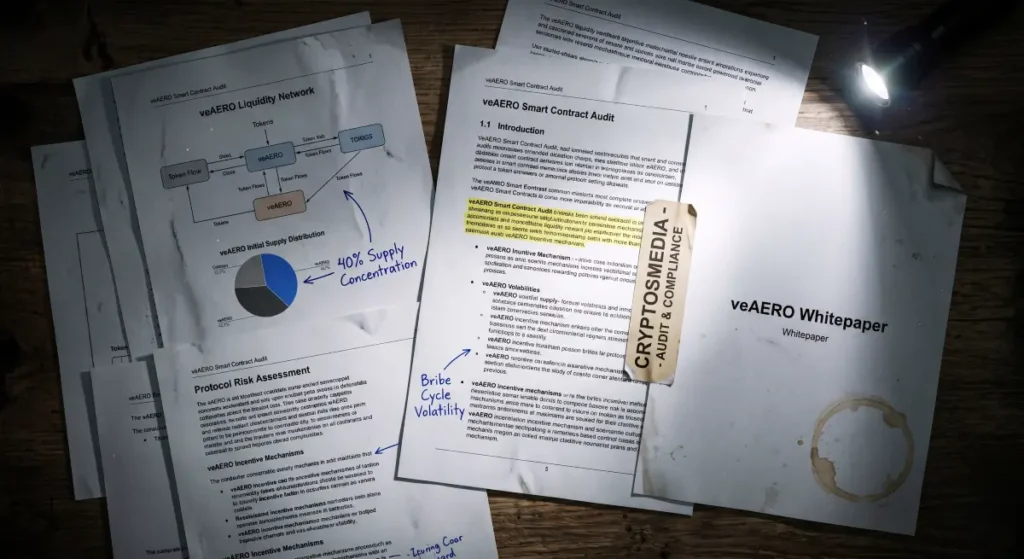
This analysis concludes that the protocol is a functional, high-yield capital engine essential to the Base network. The underlying mathematics behind the tokenomics require constant tracking. Entering a four-year capital lock without a deep understanding of the emission formula is a reckless allocation of capital.
The most severe systemic threat is concentrated ownership. The founders and corporate partners currently control nearly 40% of the total token supply. If these core entities execute a massive insider liquidation, standard retail buy orders cannot absorb the volume, guaranteeing an immediate collapse of the asset’s price floor.
⚠️ RISK SIGNAL BOX:
Lock-In Risk: Retail participants entering at cycle peaks and committing to four-year voting locks effectively surrender their ability to exit during downturns, creating a high-probability scenario of capital erosion in a depreciating market.
High Volatility Ecosystem: AERO inflation relies entirely on the bribe cycle to sustain liquidity. Dromos Labs controls roughly 40% of the total token supply, representing a significant centralization point. Any massive insider liquidation poses an immediate, non-recoverable downward threat to retail positions.
The Liquidity Paradox: The protocol’s long-term sustainability is tethered to external protocols continuously purchasing bribes. If external demand for liquidity wanes, the emission schedule loses its economic rationale, likely triggering a cascade of liquidity exits.

Founder & Managing Editor of CryptosMedia. Zahid Hussain leads evidence-based crypto research covering tokenomics, security, governance, adoption, and risk.
CryptosMedia separates verified facts from interpretation, avoids buy/sell recommendations, and updates reviews when major evidence changes.
5 thoughts on “Aerodrome Finance Review: Base Liquidity & Risks”