Nosana token analysis: the core problem and solution
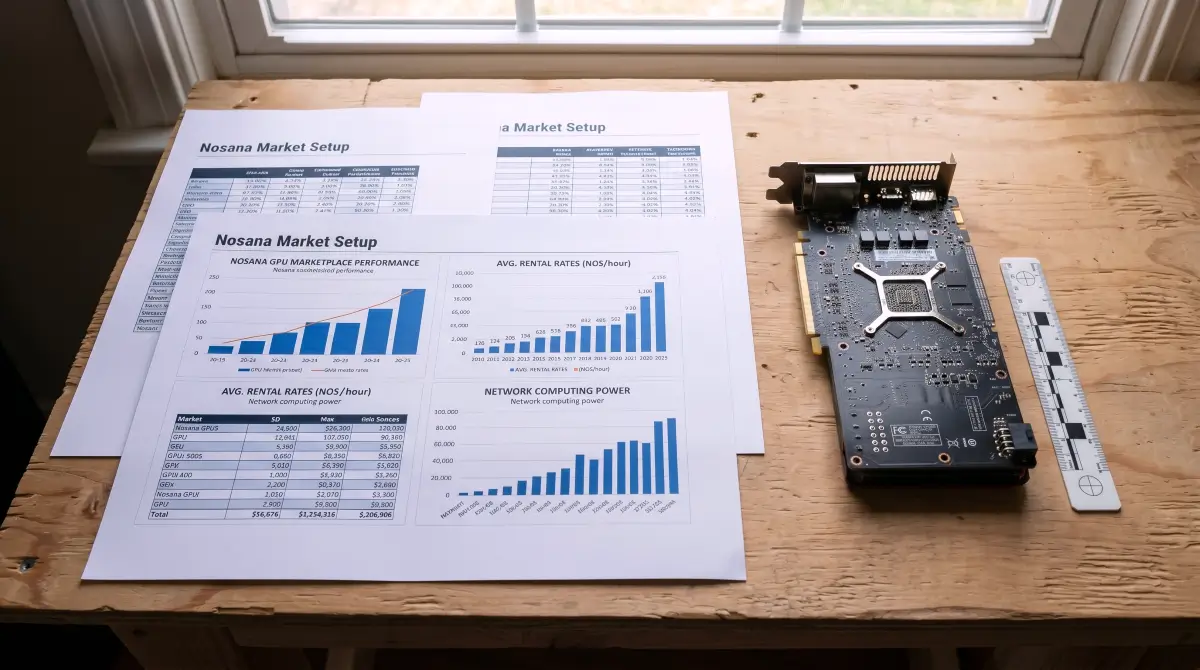
A raw GPU circuit board and measuring scale on a wooden desk during our Nosana token analysis.

I remember sitting at my desk back in January 2025. The Nosana mainnet had just launched. I spent hours digging through their network stats, because the artificial intelligence hype was absolutely everywhere. Recently, around May 13, 2026, i saw their new update. They were building artificial intelligence agent infrastructure. Because of this, i wanted to see if the project survived the brutal bear cycles. Doing a deep Nosana token analysis requires a cold look at the data. Let me tell you what i found. Indeed, it is a mix of hard facts, and serious risks. Therefore, we need to look at this together, so we can see the real picture. Big tech companies control the cloud right now. If you want to build an artificial intelligence project, you pay massive fees to rent their graphics cards. However, Nosana steps in to fix this gap. They created an open source network. Anyone can rent out their idle computer power. They claim to offer prices up to six times lower than traditional providers. Instead of feeding monopolies, they are giving power back to the regular developers. Giving engineers a functional path provides a real alternative. Nosana token analysis: how the simple truth works Think of it like an Airbnb for computer power. If you have a powerful graphics card sitting at home, just doing nothing, you can rent it out. Then, a developer halfway across the world can use it for their heavy machine learning tasks. People usually connect standard consumer hardware, like RTX 3080 or 4090 cards, to the decentralized network. The developer gets cheap computing power to run their open source models. Meanwhile, you get paid in NOS tokens for keeping your machine online. It is a simple, peer to peer connection. Since there are no middlemen standing in the way, you take a huge cut of your profit. The jobs run in isolated software containers. This means your personal computer data stays safe, while the remote developer only accesses the raw processing unit. Truly, it is a functional bridge between supply and demand. The YMYL safety check for your portfolio Please hear me clearly on this. This is not financial advice. Your money is your responsibility, and you must protect your own capital. The project was founded by Jesse Eisses and Sjoerd Dijkstra. It is built on the Solana blockchain. Because they use Solana, it allows them to process tiny payments without massive network fees. But, we have to look at the security layer. I checked their security rating. They have a CertiK score of 3.4 out of 100. That is a brutal truth you need to know before putting any money into this ecosystem. The team is public, which gives us some comfort, since they are not hiding behind fake internet names. Yet, a low security score means we must tread very carefully. A score this bad indicates serious central control risks, or weak spots in their smart contracts. Tokenomics and the market reality check Let us look at the numbers. Because numbers do not lie, they only show the raw financial data. A true Nosana token analysis demands that we look at the exact supply structure. The current price is roughly 0.28 USD. The total market cap sits at a tiny 20 million USD. Out of a total supply of nearly 100 million tokens, about 71 million are circulating right now. This means there is still some inflation left, as the remaining tokens unlock to pay for node rewards. It hit an all time high of 7.97 USD in March 2024. Meaning, it is down roughly 96 percent. You need a strong stomach for this kind of drop. Retail investors lost a massive amount of money during that crash. The token is used for network fees, staking, and voting. Node operators must lock up these tokens as collateral to get computing jobs. If they go offline suddenly, they lose their locked tokens. This staking mechanism helps keep the network honest. Still, the circulating supply weight is a heavy burden on the current price. Competitive analysis against the cloud giants Their biggest rivals are the traditional cloud giants. Big tech has massive server farms, endless money, and deep trust from large corporations. Nosana fights back against this monopoly. They offer zero lock in, and much cheaper costs. However, convincing enterprise clients to leave big tech for a decentralized grid of random computers is a massive uphill battle. Corporate clients need strict legal agreements and guaranteed uptime. Beyond big tech, they also have to fight established crypto networks like Render and Akash. Render already has massive liquidity, and heavy institutional backing. Nosana is the underdog in this fight. Specifically, they are trying to carve out a specific niche by focusing on artificial intelligence inference and open source agents. It is a smart pivot, but the road ahead is full of technical friction. Nosana forensic data matrix Technical Metric Current Reality Project Impact Security Rating 3.4/100 on CertiK Severe risk of smart contract exploits and central control. Market Capitalization Roughly 20 million USD Highly vulnerable to sudden price manipulation by large holders. Circulating Supply 71 million of 100 million Ongoing node inflation will continue to drop the token price. Network Capacity Around 2000 active nodes Provides real, functional computing power to actual developers. Price Drawdown Down 96 percent from peak Early retail buyers suffered massive, unrecoverable capital losses. The brutal pros and cons of this network Strong points found in our Nosana token analysis Red flags found in our Nosana token analysis Final expert verdict on this asset So, is this a solid bet, or a risky leap? Doing a complete Nosana token analysis points to one clear answer. It is highly risky. But, there is a chance for wild upside if they survive the current market phase. The technology works in reality. The network is live, with actual users running software on it. However, the massive price drop, and the low security score, tell me you should not … Read more

Rivalz Network RIZ Token Distribution Reality Check

A high-quality forensic photograph of Rivalz Network AI Intel Layer blueprints on a wooden desk with a coffee mug.

This Rivalz Network review begins on a cold evening in February 2025, when the testnet numbers first appeared on my screen. Over one million users and millions of transactions were flowing through the system. Late into the night, i sat with my chai, staring at the logs from Rivalz LLC, wondering if this was real or just another crypto illusion. The shift to intelligent decentralized finance later in October really caught my attention. Brother, let me tell you, it felt like uncovering a hidden vault when their MOZAI agents finally went live in December 2025. Today, i want to share exactly what i found in this review. We will look at the facts together, to give you the clear support and logical hope you need to move forward. The YMYL Safety Check For This Rivalz Network Review Listen to me carefully right from the start. As an analyst, i am here to share research, not to give you financial advice. You must verify these facts on your own before risking your hard earned capital. When looking deeply into the team, i found Rivalz LLC operating quite openly in the space. Founders like Bruno Gil and Vlad have been documenting their moves since early 2025. They run on a dual chain setup, using Arbitrum and Dymension networks. However, the available data does not explicitly show formal third-party security audits, and we always have to treat missing audits with extreme caution. Always protect your capital, just as we discussed previously in our Zenlink ZLK crypto review, where smart contract safety is everything. The Core Problem And Solution The crypto world faces a massive problem right now with artificial intelligence. These new artificial intelligence agents are incredibly smart, but they cannot easily touch your money safely. They desperately need a reliable bridge to reality. Rivalz Network steps up to build this exact bridge. They call it an execution layer for intelligent finance. It solves the gap by letting artificial intelligence operate your funds autonomously, while you keep total ownership. They secure this entire process with their validator network, called zNodes. It provides real world utility, finally giving intelligence the hands to work within the markets. How It Works ELI5 Style Imagine you have a highly intelligent butler working in your house. This butler knows absolutely everything about the global financial markets. But, the butler is locked in a room and cannot trade for you. Rivalz gives this butler a special phone and a strict rulebook to follow. The butler uses the MOZAI system to place trades safely. The butler gets market information through the ADCS oracle, which acts like a secure news channel. The actions are carefully checked by zNode security guards. You simply fund your own wallet, and the butler handles the complex work. “You simply fund your own wallet, and the butler does the hard work without ever stealing your keys.” Rivalz Network Review: Tokenomics Data And Reality We need to talk numbers, plain and simple, without any hype. If you track the asset on CoinMarketCap, you will see that the RIZ token has a massive total supply of five billion coins. Thirty percent went directly to early rounds, which is a heavy bag for insiders to hold. Sixteen percent goes to node holders for their work. You must understand that this structure can lead to severe inflation, if demand does not match the token release schedule. Much like the infrastructure demands we saw in the peaq network review initial diagnostics, heavy early allocations require a strict reality check before you jump in. Instead of reading old static data, you can check the live circulating supply and real-time market action in the widget below. This is the truth as it stands today. Rivalz vs The Market: The Competitive Matrix Core Metric Rivalz Network (RIZ) Reality Grass (GRASS) Reality Allora Reality Primary Focus AI execution and intel layer Decentralized web scraping AI price prediction models Infrastructure zNodes on dual-chain setup Simple browser extensions Complex machine learning network Data Handling Secure private intel via ADCS Public web data collection Financial market data feeds User Role Fund wallet or run a zNode Share idle internet bandwidth Provide accurate AI models Yield Engine MOZAI automated yield Basic bandwidth rewards Model accuracy incentives The Brutal Pros And Cons Of Rivalz Network Strong Points Red Flags Competitive Analysis The data does not explicitly name a direct single competitor to Rivalz Network in the current market. However, they operate in the highly competitive decentralized artificial intelligence space. They stand out by combining AI oracles through their ADCS system with execution agents in MOZAI. While other projects focus just on data or just on models, Rivalz attempts to build the entire infrastructure layer from the ground up. They even partnered with Allora in May 2025 for price prediction feeds, rather than competing directly against them. It is a collaborative approach, but they must fight for mindshare in an increasingly crowded narrative, similar to the data wars we analyzed in the grass crypto review on data wars. Final Expert Verdict: My Rivalz Network Review Brother, we always have to look at the whole picture to survive in this market. Rivalz Network is building highly ambitious infrastructure for the future. The concepts of agentic decentralized exchanges and automated yield are incredibly powerful tools. They have shipped real code and attracted millions of testnet users to their platform. But, the tokenomics require heavy and serious caution from your side. With billions of tokens waiting to flood the market, you must tread carefully. It is a solid technological build wrapped in a highly risky financial structure. Keep your eyes open, manage your bags strictly, and never let hope blind your logic. Bookmark this Rivalz Network review, and keep checking the live widget above to track the real supply changes. Zahid Hussaincryptosmedia.com

Lido DAO (LDO) Review: Tech, Risks & The $22B Truth

A real-world validator node infrastructure analyzed during this Lido DAO (LDO) Review.

Listen to me carefully right from the start of this investigation. As an analyst, conducting this Lido DAO (LDO) Review, i am here to share technical research, not financial advice. You must always protect your capital, and conduct your own deep diligence before risking funds in any decentralized physical infrastructure. When i checked the technical framework, the structural data of this protocol showed immense historical growth. But, this transparency is essential. Still, it does not remove severe market risks. For example, if you read our Decred Review, you will see that governance models always come with unique operational dependencies. So, having an audited, mainnet-ready platform is a crucial first step for long-term technical credibility. Lido DAO (LDO) Review: The True Core Purpose Lido DAO is a group that works together to provide a way for people to stake their crypto easily. Its main job is to help people who want to stake Ethereum. Normally, if you stake your ETH directly on the Ethereum network, your money gets locked. You cannot use it or move it anywhere else. Also, to do it yourself, you need at least 32 ETH, which is a lot of money, and you need to be very good at computers to keep a server running all the time. So, Lido solves this problem for everyone. They let you put any small amount of ETH into their system. In return, they give you a token called stETH (Lido staked ETH). This token is great because it stays liquid—meaning you can sell it, trade it, or use it in other apps while you are still earning a 3-5% profit every year. It takes away the big barriers and lets everyone join in. Analyst Perspective On This Liquid Staking Giant If we look at the facts, Lido is not just another copy-cat project. It actually started the whole liquid staking idea. It began in 2020 before Ethereum even fully changed its system. Today, Lido is the biggest player. It handles about 33% of all staked Ethereum, which is more than 9 million ETH. They also use special technology called Distributed Validator Technology (DVT) to make sure the system is safe and not controlled by just one person. This shows that the project has real value and is not a fake or empty shell. Historical Timeline & Price Action Founded by Konstantin Lomashuk, Vasiliy Shapovalov, and Jordan Fish, the project secured early backing from heavyweights like ParaFi Capital. The LDO token has experienced severe market cycles. After peaking at $18.62 in late 2021, it suffered a brutal 98% correction. Now, as of May 18, 2026, the price hovers around the $1.50 to $2.00 range. It has been a heavy and exhausting journey for early believers. Blockchain Network and Technical Analysis Lido works mostly on the Ethereum network. They used to work on Solana too, but they stopped that recently. Now they only support Ethereum and Polygon. Because it runs on Ethereum, if the Ethereum network is busy or expensive, Lido also feels the pressure. Right now, most people running the system want Ethereum to increase its capacity so more transactions can happen. Regarding money, Lido takes a 10% fee from the profit you earn. They don’t keep it all. 5% goes to the people running the servers, 4.5% goes to the project’s bank (DAO treasury), and 0.5% is kept for insurance in case something goes wrong. Technical Audit & Contract Safety Lido’s smart contracts maintain a high security rating from CertiK, backed by a massive $2,000,000 bug bounty. However, independent automated scans, like Token Sniffer, flag unusual contract logic that requires caution. The deepest technical threat lies in threshold signatures. Because protocol keys are distributed among a closed group of node operators, a coordinated compromise could theoretically freeze funds. To understand how automated systems manage cross-chain validation safety, checking the recent Celestia Review provides excellent architectural context. Lido DAO (LDO) Review: The Reality of the Team and Founders In the crypto sector, anonymous founders are a huge red flag, but the Lido team is completely public. They are backed by famous investors, which means they are legally responsible for their code. The founders have a clean historical record. But, because the LDO token price suffered massive drawdowns, internal financial pressure forced the DAO to execute a $20M to $23M treasury buyback. They are actively trying to stabilize the floor price. The code is safe, but the financial tokenomics are under heavy stress. Lido DAO (LDO) Review: Market Performance and Tokenomics If we check the blockchain, we can see exactly who holds the power. The original creator wallet sits at 0%. The top 10 holders control roughly 22.34% of the supply, which is surprisingly well-distributed for a project of this size. Next, you can analyze the live market depth on CoinMarketCap to trace daily movements before executing any allocations. Having 22% concentrated at the top minimizes sudden rug-pull threats, but coordinated selling could still break price floors. LDO maintains deep liquidity, trading millions daily across major exchanges like Binance and Coinbase, making rapid market manipulation highly difficult. The Competitor Clash Lido is clearly dominating this sector. Its competitors are fighting for fractions of the market share. Metric Lido DAO (LDO) Rocket Pool (RPL) Jito (JTO) Market Cap ~$376M ~$43.3M ~$148.5M Main Use ETH Staking Decentralized ETH Solana MEV Holders 84K+ Holders 3,500+ Nodes Growing Recent Update $20M Buyback Saturn Upgrade KODA Partnership When we process raw network metrics, comparing these specialized institutional layers requires sharp focus. To evaluate how liquid ecosystems capture deep trading volume, you should examine our Aerodrome Finance Review for broader market comparison. Risks and Scam Alerts (Red Flags to Avoid) Since 2014, i have watched phishing operations closely, and i want to warn you clearly. Scammers constantly deploy fake tokens mimicking LDO. Always verify the official contract address: 0x5a98fcbea516cf06857215779fd812ca3bef1b32. Recently, attackers dropped fake YIELDX tokens into wallets to lure users to malicious phishing sites. Never interact with unverified airdrops, because they only exist to drain your capital. … Read more

Nexera NXRA Review: The Technical Reality Of Tokenized Assets

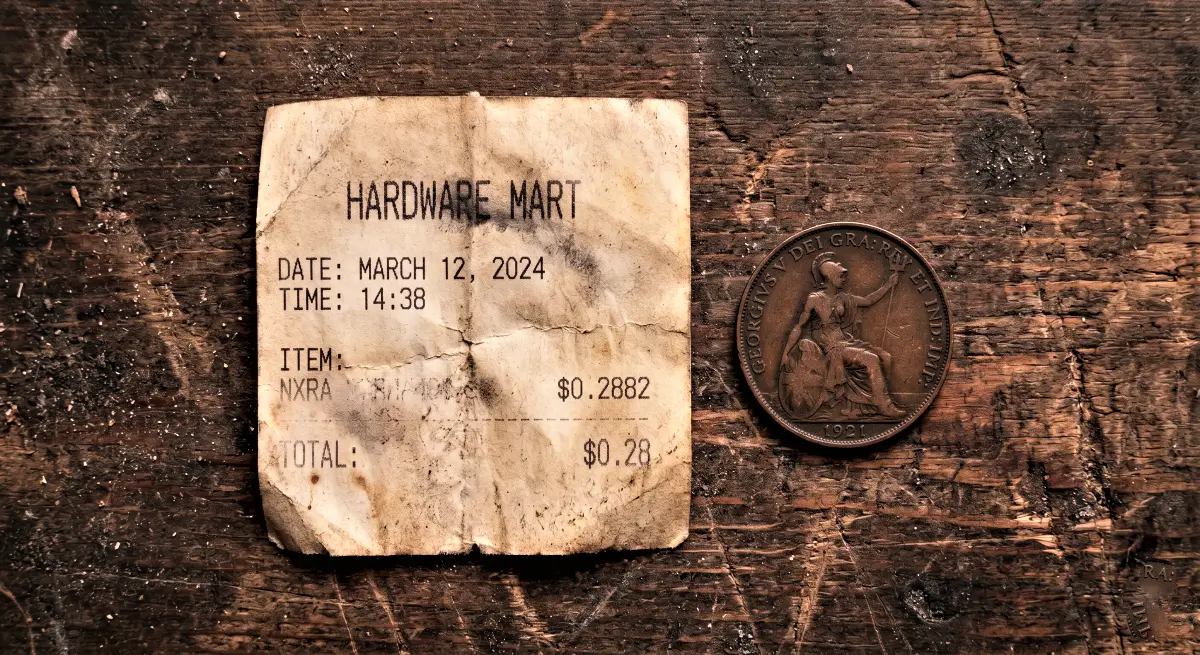
Forensic view of an old paper receipt from March 2024 next to a simple coin, illustrating the market decay for our Nexera NXRA review.

I remember spending hours digging into the market data, back in March 2024. That was the exact moment when the token price hit its highest point of 0.2882 USD. It felt like everyone was talking about tokenizing physical assets, and the hype was loud. But, looking at the cold facts today, with the price sitting at a fraction of its former glory, i had to stop and ask myself what really happened here. I tracked this project all the way back to its roots in 2018. Because of this Nexera NXRA Review, i saw the real panic from everyday users. They were trying to swap their old tokens. We need to look past the corporate marketing, to see the real support that this project actually offers. Nexera NXRA Review: The YMYL Safety Check Let us be very clear from the start. This is not financial advice. Your money is your responsibility, and i am here to give you the facts to protect your capital. I looked closely at the team leading this project. The founders, Rachid Ajaja and Matthijs de Vries, are public figures. In fact, they have been building since 2018. Similar to my Peaq Network review, i found that having a public team is a solid start for institutional trust. The official website claims they have passed 17 security audits. That sounds comforting, right? But, i ran the data through a technical report for the smart contract deployed in late 2023. The safety score is only 55 out of 100. Because the source code contains a proxy contract, the creators could potentially pause trading. This is a real risk you must accept. The Core Problem And Solution You see so many projects trying to bring physical items, like gold and copper, to the blockchain. The problem is that financial regulations change constantly, and traditional smart contracts get stuck. Much like the bandwidth sharing model i discussed in my Grass crypto review, the technical plumbing must be flexible. So, Nexera realized that building new contracts every time a law changes is simply too slow. Their solution is something called ERC 7208. This technology completely separates the data storage from the logic rules. If a compliance law changes in Europe, they just update the logic without touching the actual asset data. How Nexera NXRA Works ELI5 Style Imagine you have a heavy steel safe box, with your valuables inside. The safe box represents the blockchain data. Now, imagine the digital lock on the door to the room where the safe is kept. That lock represents the smart contract logic. Specifically, Nexera allows you to change the lock on the door whenever you need to, without ever having to empty out your safe box. You keep the physical assets completely secure, but you can easily update the security rules whenever the government asks you to. You can verify the full technical details in the official Nexera whitepaper. Nexera NXRA Tokenomics: The Reality Check This is where i want you to pay close attention. The total maximum supply is 2 billion tokens. Right now, only about 1.04 billion are actually circulating. That is barely 52 percent of the total supply. So, when the rest of those tokens finally unlock, it will create heavy sell pressure. The current market cap is very small right now. If we compare it to the decentralized computing growth in my Akash Network review, Nexera still has a very long way to go to reach that level of stability. The token has utility for staking and voting. But, you need to ask yourself if that utility will beat the massive inflation coming from the locked tokens. Nexera Forensic Data Matrix Technical Metric Current Reality Project Impact Market Rank 1378 Significant drop from previous cycles Security Score 55/100 Token Sniffer Critical risk due to proxy powers Circulating Supply ~1.04 billion NXRA High future inflation risk Real World Assets 206 million USD Validated institutional backing Nexera NXRA Brutal Pros And Cons Strong Points First of all, real world adoption is actually happening. I found official data showing they reached over 206 million dollars in total tokenized value. Specifically, they partnered with Cireta to tokenize real gold from Ghana. That is real institutional money, and it gives us hope for the future of real world assets. Also, they have an established network with over 100 ecosystem partners. Red Flags On the flip side, i will never hide the ugly parts. The old version of this project suffered a major exploit. They had to create a new token to save the ecosystem. Still, the community forums are full of confused users who could not swap their old tokens. Also, the decentralized exchange liquidity is extremely low. If a large holder decides to sell, the price will completely crash. Final Expert Verdict On The Nexera NXRA Review In the end, Nexera has built a real product with strong institutional ties. The technology behind ERC 7208 is incredibly smart for financial compliance. But, the token itself is bleeding heavily. It is down over 98 percent from its peak. The history of the previous hack casts a very long shadow. If you believe in the long term narrative of regulated tokenization, the technology provides genuine hope. But, from an investment perspective, the low liquidity and incoming unlocks make holding the coin extremely risky right now. Stay sharp, and always protect your capital. Zahid Hussaincryptosmedia.com

Heurist AI Token Analysis: The Brutal Truth About Crypto Agents

Stack of GPUs processing Heurist AI token data

Introduction And Context I remember staring at my screen, late at night, back in April 2026. At that time, the price of the Heurist AI token had just hit its absolute bottom. It dropped to a fraction of a penny. Because of this, i spent hours digging through the blockchain data. i was searching for answers, trying to see if this project was completely dead. Today, however, the price has bounced back slightly. You might feel lost, looking at these wild charts. But we have all been there. So, let me give you solid support, through the raw facts, so you can find your clear way. The YMYL Safety Check First, this is my personal analysis, and absolutely not financial advice. We must protect our capital first, always. So, i looked into the team behind the curtain. Frank He and Jiewen Wang are real people. In fact, they have been leading this project since 2024. They even secured solid seed funding early on. But here is the brutal reality check. This is the truth you need to hear before you put a single dollar in. Specifically, i checked their security rating on CertiK, and it sits at a terrible 3.7 score. Therefore, you need to tread carefully here. The Core Problem And Solution You know how standard AI models work. They completely hallucinate when you ask them about crypto. Basically, they are blind to the blockchain. Because of this, Heurist saw this massive gap. As a result, they built a decentralized cloud, specifically for crypto AI. They aggregate computing power to run agents. These are agents that actually understand on-chain data and wallet histories. So, they give you real answers instead of guesses. How It Works ELI5 Style Think of it like hiring a specialized accountant for your crypto business. Instead of a regular intern who just guesses the numbers, Ask Heurist acts as your trading copilot. To do this, it uses the Heurist Mesh. This is basically a technical hub. In other words, it is a place where AI agents can buy specific financial skills, and use tools to do the heavy lifting for you. You just tell it what you need, and then the invisible plumbing handles the rest. Heurist AI Token: Tokenomics Reality Check Now, this is where we need to be strictly logical. The total maximum supply sits at one billion HEU tokens. Right now, though, the self reported circulating supply is only around 110 million tokens. Worse still, CoinMarketCap has not even verified these numbers. This means nearly 90 percent of the tokens are still locked away. Due to this, heavy inflation is coming, and we have to be ready. After all, a project cannot sustain its value if millions of new tokens are constantly dumping on the active buyers. Heurist AI Token Forensic Data Matrix Technical Metric Current Reality Project Impact Security rating 3.7 CertiK score Critical risk for smart contracts Circulating supply ~110 million HEU Unverified by major trackers Maximum supply 1 billion HEU Massive future inflation Enterprise backing Google Cloud grant Strong infrastructure validation Real world utility Active node network High hardware participation Heurist AI Token Brutal Pros And Cons Strong Points Red Flags Competitive Analysis General AI providers just cannot compete directly in this niche. Primarily, they lack native integrations with decentralized physical infrastructure networks. Heurist is building a system where their agents can buy services autonomously. Still, the artificial intelligence crypto sector is very crowded. If Heurist fails to maintain its specific edge in agent commerce, traditional big tech could easily crush them with sheer computing volume. Final Expert Verdict On The Heurist AI Token In the end, there is real hope here, but only if you respect the risks. The technology and the ecosystem integrations are incredibly solid. Having major cloud infrastructure backing your vision is no joke. But as an investment vehicle, the Heurist AI token itself is highly risky right now. Because of the low security score, and massive upcoming token unlocks, you should wait for better on-chain clarity before committing serious capital. Stay sharp, protect your portfolio, and always verify the data yourself. Zahid Hussaincryptosmedia.com

Zenlink (ZLK) Crypto Review: The Brutal 99 Percent Crash Reality

Zenlink Crypto Review market crash reality by Cryptosmedia

The $100B Cross-Chain Dream: Zenlink Crypto Review Reality Listen to me carefully. I remember digging deep into the Polkadot ecosystem back in the first quarter of 2021. I was watching the Rococo test network roll out, and i saw the team finish their first cross-chain test, which leads me to this Zenlink Crypto Review. It reminds me of the infrastructure depth we analyzed in our Aethir (ATH) Technical Review. Back then, it felt like a massive breakthrough. Fast forward to May 2026, i sat down with my coffee, pulled up the market data, and felt a heavy drop in my stomach. The price had collapsed from an all-time high of 4.40 dollars, to a mere 0.0011 dollars. I want to give you hope, but i also need to give you the facts so you do not burn your hard-earned money. Let us look at what is really happening here. Zenlink Crypto Review: The YMYL Safety Check Before we go further, you must know this is not financial advice. I am sharing my personal research to help you see the reality. When i looked into their security on [CertiK], i found a rating sitting at a brutal 2.8 score. The project is backed by the Zenlink Foundation, but that low security rating is a serious concern when we are talking about your funds. Always protect your capital first. The Core Problem And Solution When developers build new chains on Polkadot, they face a huge wall. Building an exchange from scratch takes too much time, and the liquidity gets trapped on one single chain. I saw Zenlink step up to fill this gap. They created a plug-and-play module. As they stated, their vision was to build an ultimate, open, and universal cross-chain DEX protocol with one click. Developers could just insert the code, and deploy an exchange instantly. It was meant to be the ultimate hub, sharing liquidity across every single chain. How It Works ELI5 Style Imagine Polkadot is a massive shopping mall with hundreds of different stores. Normally, if you buy something in one store, you cannot easily exchange it at another store. Zenlink acts like a master plumbing and delivery system, hidden completely behind the walls. They use smart order routing to find the best trading path across all the stores. You just click swap, and the system pulls liquidity from everywhere to give you the best price, without you ever noticing the complex pipes behind the scenes. This kind of backend complexity is similar to what we discussed in the Akash Network Analysis. Tokenomics Reality Check Here is where the brutal truth comes out in this Zenlink Crypto Review. i dug into the supply numbers. They have a maximum supply of 100 million coins. Right now, a fraction of that is actually circulating. But the demand is completely dead. The market capitalization is sitting around 58 thousand dollars according to CoinMarketCap. On some exchanges, the 24-hour trading volume is literally zero dollars. You cannot sustain a project, or build trust, when no one is trading it. The Brutal Pros And Cons Strong Points Red Flags Zenlink vs Rivals: The Metric Truth Metric Zenlink (ZLK) Standalone DEXs Primary Focus Cross-Chain Aggregation Single-Chain Isolation Liquidity Strategy Shared / Routed Trapped / Localized Slippage Control Algorithm Based Pool Depth Dependent Active User Base (2026) Near Zero High Security Trust Very Low (2.8 CertiK) Varies (Usually Audited) Competitive Analysis When you compare Zenlink to standalone exchanges, the difference is clear. Standalone platforms isolate their liquidity, making trades more expensive for users. Zenlink tried to aggregate everything to give low slippage. But the harsh reality is that rival platforms with massive user bases completely crushed them. If you look at our recent audits like the MegaETH Crypto Review or the [Pyth Network Review 2026], you will see what a thriving infrastructure actually looks like. Great technology means absolutely nothing, if the competitors already have all the active traders. Final Expert Verdict: Zenlink Crypto Review I want to tell you this is a hidden gem, but i promised you the brutal truth in this Zenlink Crypto Review. The technological foundation they built in 2021 was solid, but the market has completely abandoned it by 2026. The zero volume and low security score make this extremely risky. Keep your money safe, watch from a distance, and look for projects that actually have active users. Zahid Hussaincryptosmedia.com

Peaq Network Review Initial Diagnostics

Peaq Network Review: A technical forensic photo of a mechanical robotic arm on a dusty workbench connected to a laptop showing raw backend code for DePIN infrastructure.

The $100B Machine Economy vs Token Unlocks In this surgical Peaq Network Review, i remember sitting at my desk back in late March 2026. Initially, i was digging through the charts when i saw the network completely stall. It was March 23, 2026, and a sudden block production issue stopped everything in its tracks. Because of this, i spent hours reading through their GitHub and the newly released Purple Paper. In fact, i was trying to figure out if this project was a real shift or just another crypto illusion. In the end, what i found is a project trying to build the backbone for real world robots. So, today i want to share this raw truth with you. Peaq Network Review: The YMYL Safety Check Listen to me carefully. Actually, this is not financial advice. You have to protect your own capital in this market. The team behind Peaq is highly visible, led by founders Till Wendler, Leonard Dorlöchter, and Max Thake. Also, they have actual partnerships with serious companies like Bosch and Audi. In fact, the network holds a CertiK rating of 4.6, which gives us some comfort. But remember, the crypto market is ruthless, and even audited projects carry severe risk. So, always do your own research before you invest a single dollar. Peaq Network Review Problem & Solution Right now, we have robots, AI agents, and physical machines entering the global economy. But they are trapped. For example, a robot built on Solana cannot easily talk, or build a reputation, on Ethereum. Because of this, they are stuck in walled gardens. Peaq steps in to fix this exact problem. First, they created peaqOS, an omnichain layer that gives machines a universal identity. It allows a single machine to work, earn, and build a verifiable reputation across any blockchain without being locked down. How It Works ELI5 Style Think of a robot as a skilled worker trying to travel the world. Without Peaq, the robot has no passport and no global bank account. Instead, it can only work in one tiny village. Peaq gives this robot a global digital passport and an omnichain wallet. Now, the robot can travel to any village, do the job, and get paid instantly in any currency. Indeed, it represents the economic system enabling robots to do business. Peaq Network Review Tokenomics Reality Check Here is where we need to be extremely careful. The PEAQ token has a maximum supply capped strictly at 5.67 billion tokens, with about 2.07 billion currently circulating. Naturally, the inflation starts at 3.5 percent and drops slowly over time. But i looked at the unlock schedule, and it is a heavy burden. Recently, on May 12, 2026, massive unlocks hit the market, releasing over 93 million tokens each to core contributors, labs, and early investors. When these tokens flood the market, we will likely see persistent selling pressure. So, you must factor this heavy inflation into your timeline. The Brutal Pros And Cons Strong Points Red Flags Peaq vs Rivals The Metric Truth Metric Peaq Network Solana Ethereum Primary Focus Machine Economy DePIN High Speed DApps Global Liquidity Machine Identity peaq ID Universal Chain Specific Wallet Based Network Stability Evolving Post Stall High High Cross Chain Support Native Omnichain Limited Bridge Dependent Competitive Analysis When we look at the biggest rivals, we have giants like Ethereum and Solana racing to capture the machine economy. Solana has incredible speed, and Ethereum has the deepest liquidity. But they are racing to the wrong layer. Instead, they want machines locked into their specific payment systems. On the other hand, Peaq operates differently by acting as a neutral layer across all of them. While projects like the one in our MegaETH crypto review try to speed things up, Solana forces a machine to stay strictly on Solana, Peaq allows the machine to roam freely. Because of this, it gets a massive structural advantage for the DePIN sector. Peaq Network Review Final Expert Verdict I want to give you realistic hope here. The vision Peaq presents is one of the most exciting shifts in the physical crypto space. They have the partnerships, the live machines, and a brilliant omnichain design. However, the short term reality is brutal. Because the upcoming token unlocks are a slow bleed for your portfolio if you buy blindly right now. Actually, it is a solid project fundamentally, but extremely risky at this exact moment due to the heavy inflation. So, watch from the sidelines, wait for the weak hands to get rinsed during the summer unlocks, and look for a safer entry point later. Stay smart and protect your capital. Zahid Hussaincryptosmedia.com

Aethir Crypto Review: The Truth Behind Enterprise AI

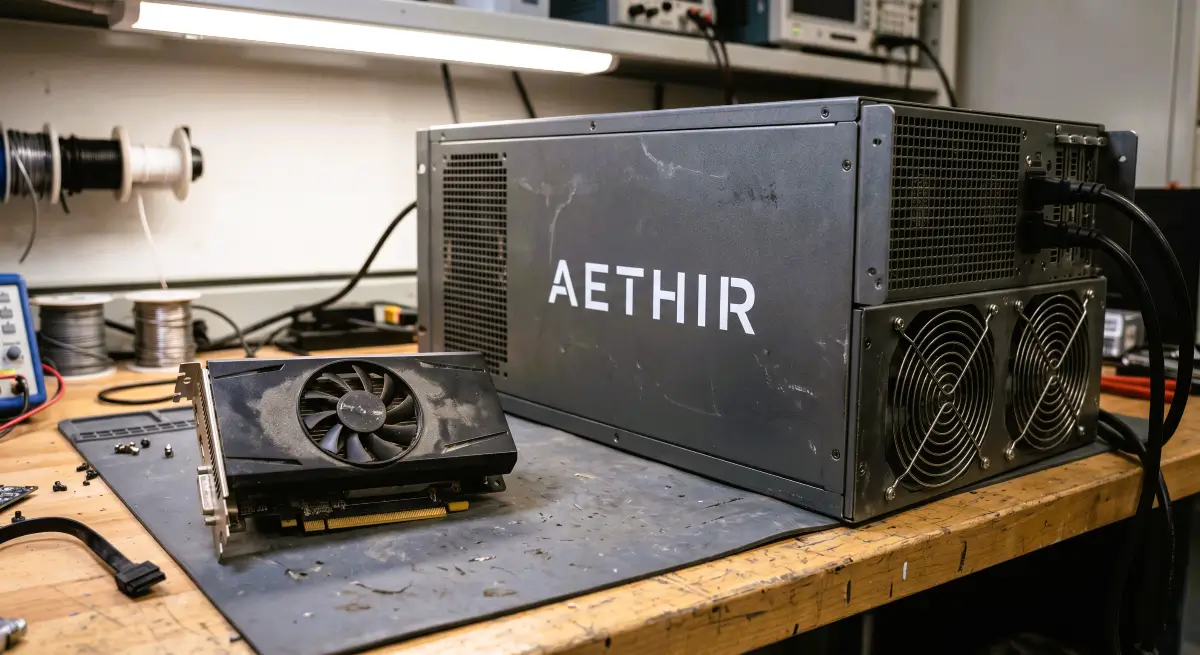
matte-finish-forensic-photo-of-aethir-enterprise-server-vs-consumer-gpu-on-technical-workbench

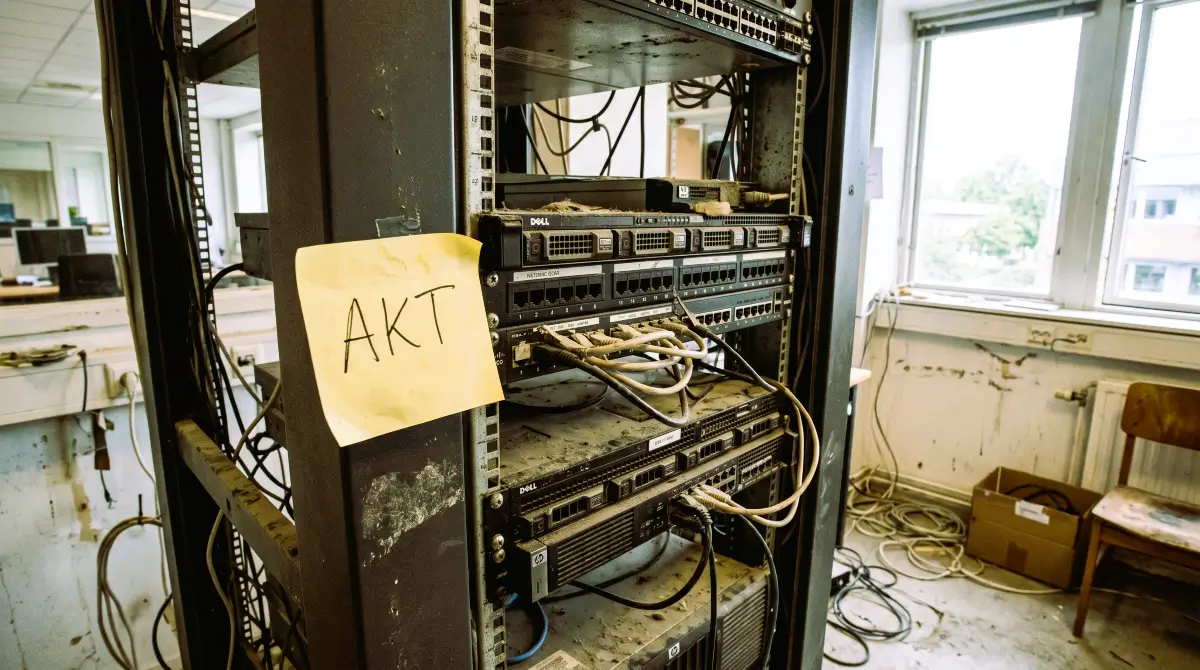
This Aethir crypto review starts with a technical anomaly i noticed in late April 2026. While staring at transaction logs, i discovered that while the ATH token price was bleeding out, institutional players were quietly moving in the opposite direction. Investigating these deep layers of DePIN hardware is a cold process, much like analyzing the Akash Network hardware logic for a balanced comparison. In reality, i discovered a massive gap between market perception and the actual infrastructure growth. Ironically, right around the time Aethir contained a bridge exploit that threatened their network, they quietly announced a $260 million enterprise contract with Axe Compute. You see that, and you realize traditional institutional money is actively flowing into this ecosystem. So, today is May 10, 2026, and we need to have a serious, logical conversation about what is actually happening with the ATH token. Aethir Crypto Review: The YMYL Safety Check First and foremost, we must talk about safety, because we are dealing with real money. Daniel Wang, Mark Rydon, and Mack Lorden founded Aethir in 2021. Naturally, having visible founders gives us a basic level of trust. To verify this, i looked into their security protocols, and they currently hold a verified audit from CertiK Security Leaderboard. However, listen to me carefully right now, because this is not financial advice. As an investigator, i am simply sharing facts, so you can navigate this dangerous market safely. At the end of the day, your capital is always your own responsibility. The Core Problem and Solution Artificial intelligence companies consume computing power at a terrifying speed. As a result, massive corporations are hoarding the best Nvidia chips, leaving smaller builders completely locked out. When i analyze the hardware market, it is clear that this monopoly is crushing real innovation. Essentially, Aethir steps in to fix this exact gap. They pool underutilized enterprise graphics cards from data centers across 94 countries. By doing this, they bypass corporate bottlenecks entirely, and provide high-end compute power directly to the people who need it. How It Works When i look at the architecture, think of it like a global rental service for supercomputers. For example, imagine a massive data center, full of top-tier enterprise servers sitting completely idle. Instead of letting that expensive hardware waste away, Aethir connects those idle servers to an artificial intelligence startup that desperately needs processing power. To maintain trust, they use special network monitors, called Checker Nodes, to verify that the network performs all work securely. This level of automated verification is similar to what i found in my Pyth Network review regarding decentralized data feeds. As a reward, everyone involved in this physical transaction gets paid directly in ATH tokens. Tokenomics: The Reality Check Honestly, when we look at the Aethir tokenomics, this is where i have to give you the brutal truth, and it is a heavy reality. To understand the risk, i pulled the supply data today, and the inflation schedule is incredibly aggressive. The maximum supply is strictly capped at 42 billion tokens. Right now, only about 19.2 billion of those tokens are actually circulating in the market. In simple terms, that means roughly 45 percent of the supply is out there, while the rest is locked up. Much like the staking risks i analyzed in my Babylon Baby review, because of this structure, billions of new tokens will flood the market over the next couple of years. In the end, if buyer demand does not match that massive new supply, your bags will get diluted heavily. Aethir Crypto Review: The Brutal Pros and Cons Strong Points (The Bull Case) Red Flags (The Reality Check) Aethir Cloud Cost Comparison (2026 Data) Cloud Provider Instance / Hardware Hourly Cost (Avg) Amazon Web Services NVIDIA H100 Instance $3.93 Aethir Network Decentralized Enterprise GPU $1.41 Efficiency Factor Cost Savings 64.1% Cheaper Competitive Analysis: Aethir Crypto Review vs Render We cannot analyze Aethir without comparing it to its biggest rival, Render. To get the full picture, i put them side by side to see the reality. Render has a much higher market valuation, hovering around $1 billion, but they only command roughly 50,000 GPUs. In contrast, they focus primarily on 3D rendering and visual effects. However, Aethir is playing a completely different game. They have over 435,000 GPUs, directly targeting the heavy enterprise artificial intelligence market. While my Akash Network review showed the power of open-source cloud, Aethir completely dominates the raw hardware numbers. On the other hand, Render still holds the historical market trust. Note: For a deep dive into the technical architecture and node structures, you can analyze the official Aethir Whitepaper. Final Expert Verdict Ultimately, as we close this Aethir crypto review, are we looking at a solid opportunity or a dangerous trap? Basically, you have a project generating incredibly strong real-world revenue, backed by massive enterprise contracts. They are building infrastructure that provides exactly what the AI industry needs. But, to be honest, the token design is punishing. The historical 94 percent price drop, and the aggressive upcoming token inflation, make this a very risky hold. If you are looking for a quick trade, the dilution will likely bury you. But if you have patience, and believe the artificial intelligence narrative will require decentralized hardware, they actually have the revenue to survive the storm. Proceed with extreme caution, as this Aethir crypto review suggests, secure your capital, and stay sharp. Zahid Hussaincryptosmedia.com

Akash Network Review: The Truth About Decentralized AI

Akash Network Review – Decentralized AI Boom Analysis by Cryptosmedia

My 14-Hour Investigation Searching for real answers in this volatile market, is an exhausting journey. For this Akash Network review, i spent May 8, 2026 staring at charts for hours because i saw something truly extraordinary. The AKT token price suddenly exploded, pumping over 20 percent in a single day. This pushed the market capitalization past the $220 million mark. For any data analyst, this is a massive signal that demands an immediate answer. To find that answer, i spent my entire evening digging through their Q1 2026 performance report. What i found was a massive $5 million in actual compute spend, recorded directly on the ledger. Beyond the numbers, i discovered that they launched a new self-custody system, called Console Air, on May 5, 2026. I want to give you solid support by laying out the cold, hard facts. Let’s look at this project logically, through a forensic lens. This is my personal discovery, and we are going to dive straight into the reality. The YMYL Safety Check (Protect Your Capital in this Akash Network Review) We must talk about safety first because we are dealing with real money. I am not a financial advisor. This report is not financial advice, and your money is always your own responsibility. Looking strictly at the technical security, the network is built on the Cosmos software development kit using a Delegated Proof of Stake system. This means token holders vote for validators to keep the chain secure. Power is decentralized, preventing any single entity from taking control. Currently, they hold a 4.2 security rating from CertiK and rely on auditable smart contracts. The team has shown resilience in the past; for instance, in late 2025, they successfully shipped the Mainnet 14 upgrade. This move wiped out eight years of old technical debt to stabilize the chain for the coming decade. The Core Problem: The 2026 GPU Infrastructure Crisis The world is facing a brutal artificial intelligence infrastructure problem right now. The scale of this crisis is hard to ignore as we move through 2026. Nearly half of the data centers planned for this year in the United States are currently being delayed or canceled. This is happening because the aging electrical grid simply cannot handle the massive energy demands of modern AI clusters. While the demand for AI grows, the physical infrastructure is failing. At the same time, big tech giants like Amazon and Google hoard the available chips. They set prices high in their boardrooms to maximize profits, leaving smaller developers with no functional options. Akash is building a solution to what they call “The Efficiency Gap.” They created an open-source, decentralized marketplace where anyone can rent out their unused computing power directly to the people who need it. By doing this, they are bypassing the corporate giants entirely. How It Works: The Akash Network Review of Hardware Logic Imagine a global rental app, but instead of renting empty apartments, you are renting out empty computer brains. For example, if a person has heavy machinery sitting idle, like a powerful RTX 4090 graphics card or a massive server farm, they can plug it into the network. When a developer needs power to train their artificial intelligence, they request it. The network uses a reverse auction system where the providers bid to offer the lowest possible price to the developer. Everything runs on a standard system called Kubernetes. So, if a developer knows how to run a basic software container, they can deploy their models here without learning a complicated new language. It is a functional, real-world solution to a very expensive problem that is only getting worse. Tokenomics: The Reality of the BME Model We need to look at the numbers closely because math never lies in the blockchain world. The entire system is fueled by the native AKT token. The absolute maximum supply is capped at 388.53 million tokens. Currently, about 293.36 million tokens are circulating. This means over 75% of the total supply is already out in the open market, which reduces the risk of massive insider dumps. In the first quarter of 2026, they officially launched a major upgrade called ‘Burn-Mint Equilibrium (BME). This system is designed to burn tokens as network usage grows. It helps to balance token inflation and secure long-term value. If network usage is high, the supply shrinks. But if usage is low, the network mints tokens to keep providers interested in staying online. It is a complex balancing act aimed at total longevity. The Brutal Pros & Cons Strong Points (The Bull Case) Cloud Provider Instance / Hardware Hourly Cost Amazon Web Services H100 Computing Instance $3.93 Akash Network Decentralized Marketplace $1.33 Efficiency Factor Cost Savings 59.5% Cheaper Red Flags (The Reality Check) Competitive Analysis: The War for the Cloud Akash is fighting a brutal war on two massive fronts. On the traditional side, they are battling giants like AWS and Google Cloud. While Akash is vastly cheaper, enterprise developers still heavily question if they can truly trust a decentralized network for their critical business operations. On the other hand, looking at the crypto side, they are fighting an intense battle against other decentralized networks like Render, Bittensor, and Gensyn. Akash has a strong advantage with its open-source marketplace and Kubernetes support. However, the competition to attract high-quality graphics cards is becoming much fiercer as every project tries to secure the same limited supply of chips. Final Expert Verdict: Is this Akash Network Review Bullish? My personal view in this Akash Network review is completely transparent. The underlying technology is functioning, the cost savings are undeniable, and hitting $5 million in usage spend proves the market wants this product. But treating this as a safe, short-term play is foolish. The looming potential migration to a completely different blockchain network, combined with software bugs that randomly reboot machines, means the project still has heavy growing pains. So, while it is a highly promising project filling a desperate real-world gap, you must walk this … Read more

MegaETH Crypto Review

MegaETH Crypto Review on-chain speed and whale risk analysis by Cryptosmedia.

In this MegaETH Crypto Review, i want to share my research from April 30, 2026, when I was sitting alone in my room with my screens glowing in the dark. Binance had just opened spot trading for the MegaETH coin. I remember looking at the live charts, and i saw the massive drop from the peak price of 0.21 dollars on April 17 2026. I spent hours digging through the blockchain data because, as a data analyst, I needed to know the absolute truth. Today, i want to give you solid support through pure facts and a little bit of realistic hope through clear, functional paths. I wanted to see if this was just another empty promise or a genuine path to wealth. What i found inside those blocks deeply shocked me. The YMYL Safety Check As always, we must look at the cold hard facts before we put our hard earned money on the table. The core team running this network is fully public. Founders like Namik, Shuyao, and Lei go to major industry events and show their faces to the world. Even Vitalik Buterin, the creator of Ethereum, put his own money into their early seed round. The main smart contract currently holds a security score of 4.2 out of 5 from CertiK. However, please listen to me very carefully. I am just a data analyst sharing my personal research. This is absolutely not financial advice. The crypto ocean is wild, and you must do your own deep research to survive. The Core Problem And Solution Old networks, like Ethereum, have a very painful problem. The truth is, historically, these systems are just too slow for real-life daily use. When you send your money, the network has to read data from physical hard drives, which creates a massive processing lag. To fix this exact gap, MegaETH steps in with a fresh approach. The platform operates as a brand new Layer 2 network built directly on top of Ethereum. Impressively, it promises true real time speeds. How It Works Think of a normal blockchain like a tired librarian. Every single time you ask for a book, she has to walk all the way to the dusty back room to find it. In contrast, MegaETH is like a genius librarian who has memorized every single word in every single book. Instead of using slow hard drives, the system keeps all the heavy blockchain data directly in its super fast RAM memory. Specifically, the network utilizes a massive supercomputer called a sequencer, equipped with over 100 CPU cores and one terabyte of RAM. Furthermore, normal everyday users can verify the network blocks on basic home computers using something called a witness, which is just a tiny data package. Tokenomics The Reality Check Technically, this is exactly where we must open our eyes wide. However, there is a total fixed supply of 10 billion tokens. Right now, only about 1.12 billion coins are actually circulating in the open retail market, meaning just 11.29 percent of the total supply is free. A massive 53 percent of the total supply is locked strictly for staking rewards, which unlock based on network performance milestones. The core team took 10 percent, and venture capitalists took 15 percent. But here is the brutal truth staring right at us. There are only about 457 actual wallets holding the coin today. This means a very tiny group of giant whales completely controls the entire game. MegaETH Crypto Review: The Brutal Pros And Cons Strong Points First, the network speed is absolutely incredible. It completely removes network freezing and brings your gas costs down to less than one single cent. Second, they have a very smart revenue model. They use a native stablecoin called USDm and charge market makers for premium server access, so they do not drain money from regular retail users. Finally, the public trust is remarkably high. The team is fully transparent, and having top industry leaders backing them gives us real hope. Red Flags The extreme whale danger is the biggest warning sign. With only 457 holders, if these early insiders decide to sell at the exact same time, the normal retail market will collapse completely. Furthermore, we have a fake volume trap. Almost all the trading volume, over 182 million dollars, happens exclusively on centralized exchanges like Binance. The real decentralized exchange volume is practically dead at only 164,170 dollars. This low liquidity makes sudden price manipulation incredibly easy. Lastly, Layer 2 networks are always huge targets for hackers, similar to the recent five million dollar exploit on the Wasabi Protocol. Competitive Analysis When we compare MegaETH against its biggest massive rivals like Arbitrum or Optimism, Metric MegaETH (MEGA) Arbitrum (ARB) Optimism (OP) Node Execution Real-Time (In-Memory) Standard (Disk-Based) Standard (Disk-Based) Transaction Speed 100,000+ TPS ~40,000 TPS ~2,000 TPS Block Time Under 10ms ~250ms ~2 seconds Market Cap (May 2026) ~$141 Million ~$1+ Billion ~$950+ Million Primary Advantage Zero-Latency Speed Massive Ecosystem Deep Liquidity the fundamental difference is in the physical architecture. While Arbitrum is a dominating giant with over one billion dollars in total market cap, those traditional Layer 2 networks still suffer from annoying processing delays. In contrast, MegaETH completely destroys them in raw processing speed because it runs the heavy data inside the RAM memory. Currently, Arbitrum has millions of genuine daily users and incredibly deep decentralized liquidity, but MegaETH is still lacking that real retail user base. Relying way too heavily on isolated private groups. Final MegaETH Crypto Review Verdict Concluding this MegaETH Crypto Review, it is clear that technical speed is high but distribution is risky. This platform is undeniably an absolute architectural digital marvel. Furthermore, the underlying technology is genuinely strong, and the founders are building real valuable infrastructure. However, the token distribution is a very terrifying reality. When you have billions of tokens waiting to slowly unlock, and a few hundred giant whales controlling the current supply, the risk of a sudden market dump is extremely high. … Read more