Kite Review: Do AI Agent Payments Create KITE Demand?
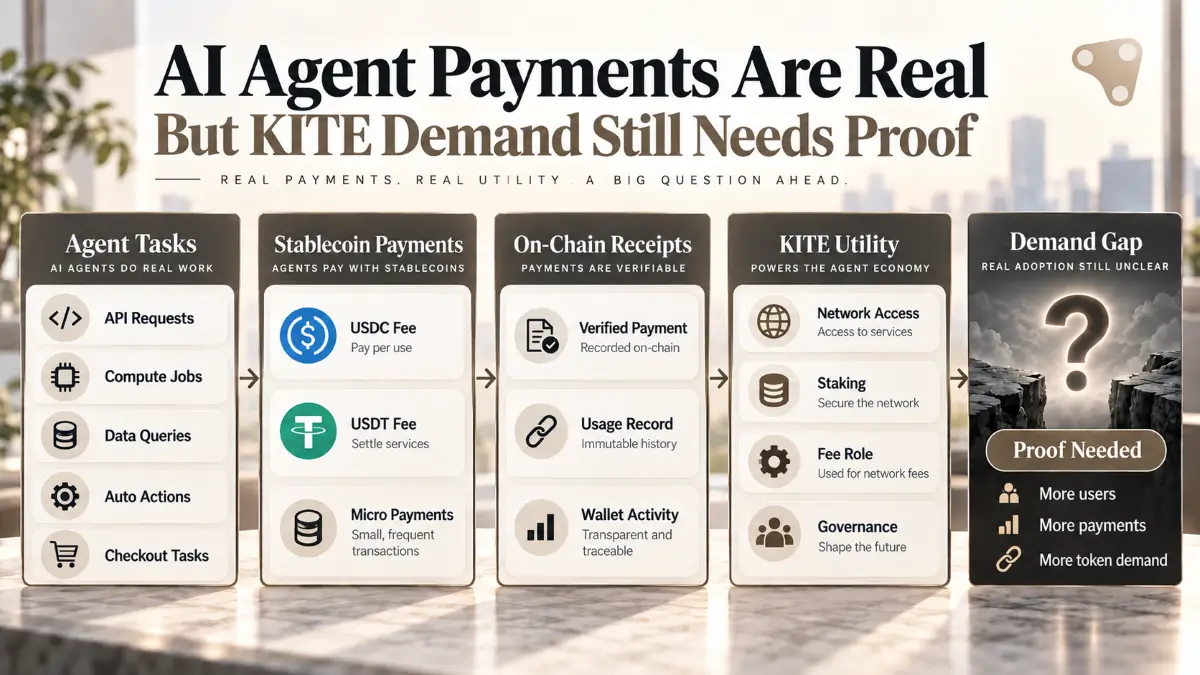
Kite has a strong agent-payments story, but KITE still needs proof that real usage creates durable token demand.

Kite has a strong agent-payments story, but KITE still needs proof that real usage creates durable token demand.

Grass now reports real AI data revenue, but GRASS still needs clearer proof that customer payments create durable token demand.

Falcon Finance has strong USDf growth and a serious RWA narrative, but FF still needs clearer proof that protocol usage creates durable token demand.

LayerZero Review examines real cross-chain usage, ZRO value capture, Stargate buybacks, supply unlocks and the security lessons from KelpDAO.

Somnia Review examines whether its DeFi pivot, dreamDEX activity and SOMI token economics are creating durable network demand or only early traction.

Akash Network Review examines real compute demand, BME tokenomics, provider competition, security limits, and how shared security could reshape AKT.

XPIN Review examines real connectivity demand, token incentives, deposit rewards, supply distribution and whether growth can survive after promotions fade.

Aethir Review tests whether enterprise GPU demand can absorb ATH emissions, rewards and continuing token unlocks.

MarsCoin links taxable trading activity to SPCXB rewards, but exchange volume, audit gaps and tokenized-security risks keep value capture uncertain.
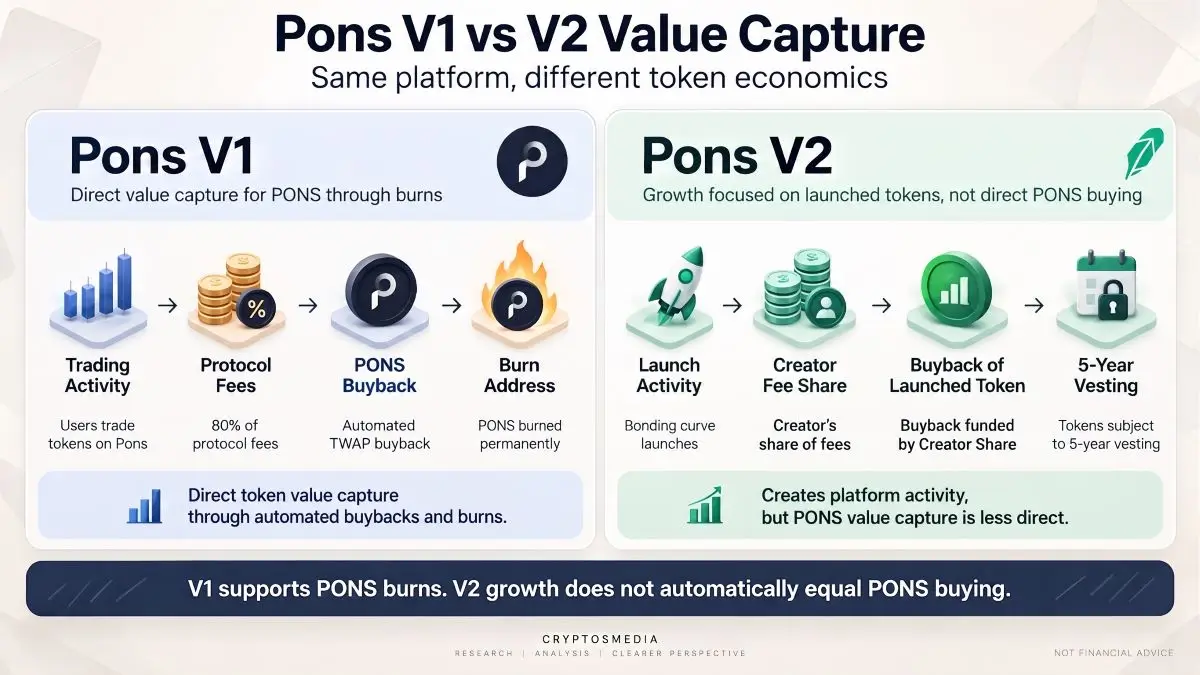
Pons has proved real launchpad activity and fee generation, but v2 growth does not automatically create direct demand for PONS.