Walrus Review: Does Storage Demand Create WAL Value?

Evidence-led review of Walrus storage usage, WAL utility, tokenomics, subsidies, staking, security, AI demand, and the path from usage to token demand.

Evidence-led review of Walrus storage usage, WAL utility, tokenomics, subsidies, staking, security, AI demand, and the path from usage to token demand.

Evidence-led review of Rivalz Network’s MOZAI, ADCS, zNodes, RIZ tokenomics, node incentives, unlocks, adoption, security, and value-capture potential.

Evidence-led Morpho review covering modular lending, isolated markets, MORPHO governance, curator risk, liquidity, and smart contract dependencies.

Evidence-led Lido DAO review covering stETH scale, Ethereum staking, LDO governance, DVT, tokenomics, protocol fees, security, and value capture risks.
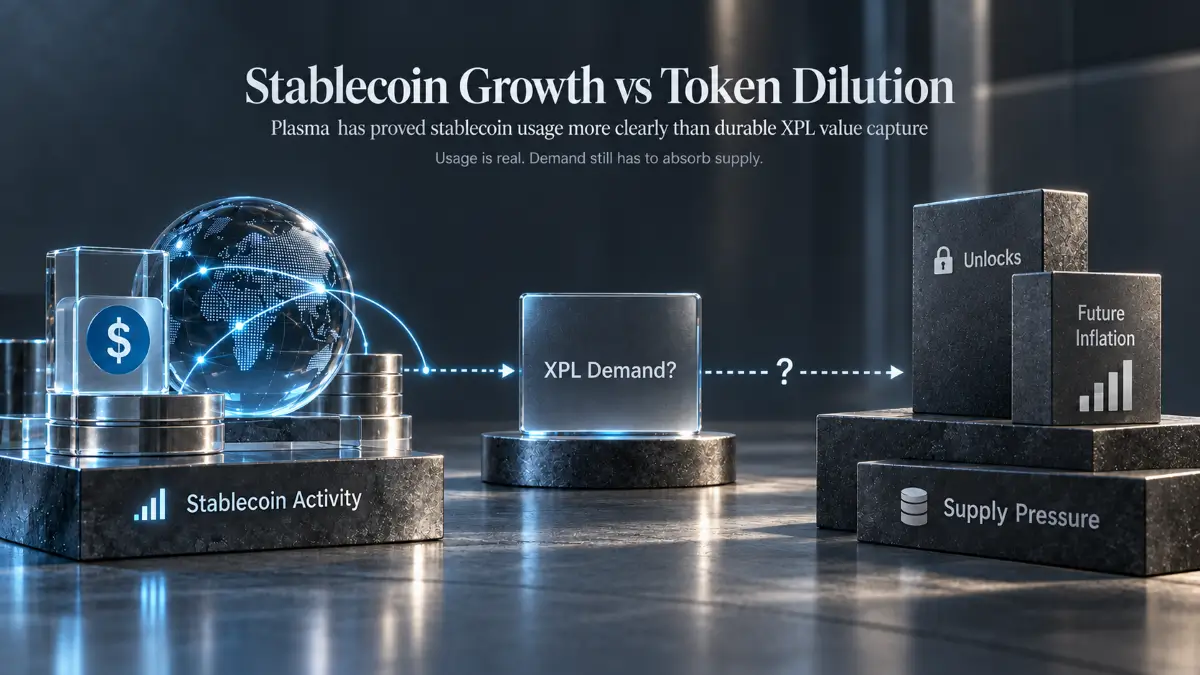
Plasma has real stablecoin activity, but XPL value capture remains less proven. This review examines fee abstraction, staking, unlocks, inflation, security, and the September 25 supply cliff.
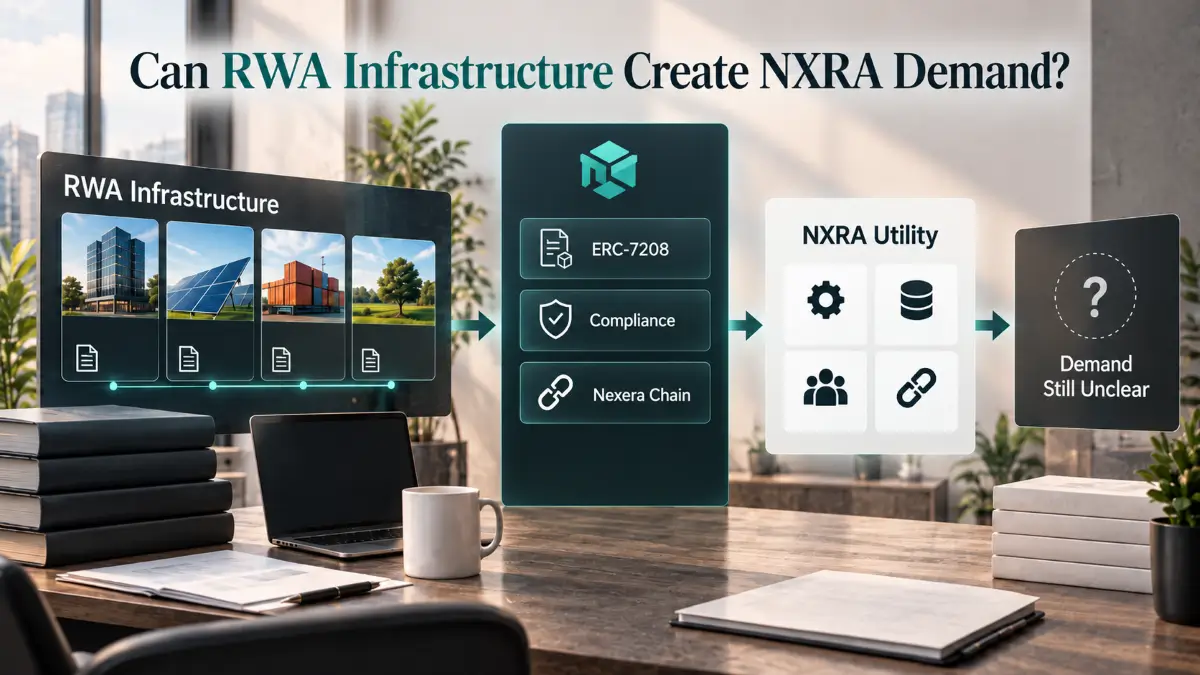
Nexera has credible RWA infrastructure, but NXRA still needs clearer supply governance, stronger chain activity, and measurable economic demand.

Towns has real messaging activity and fee routes, but TOWNS still needs transparent buyback data to show whether demand can offset inflation and vesting.
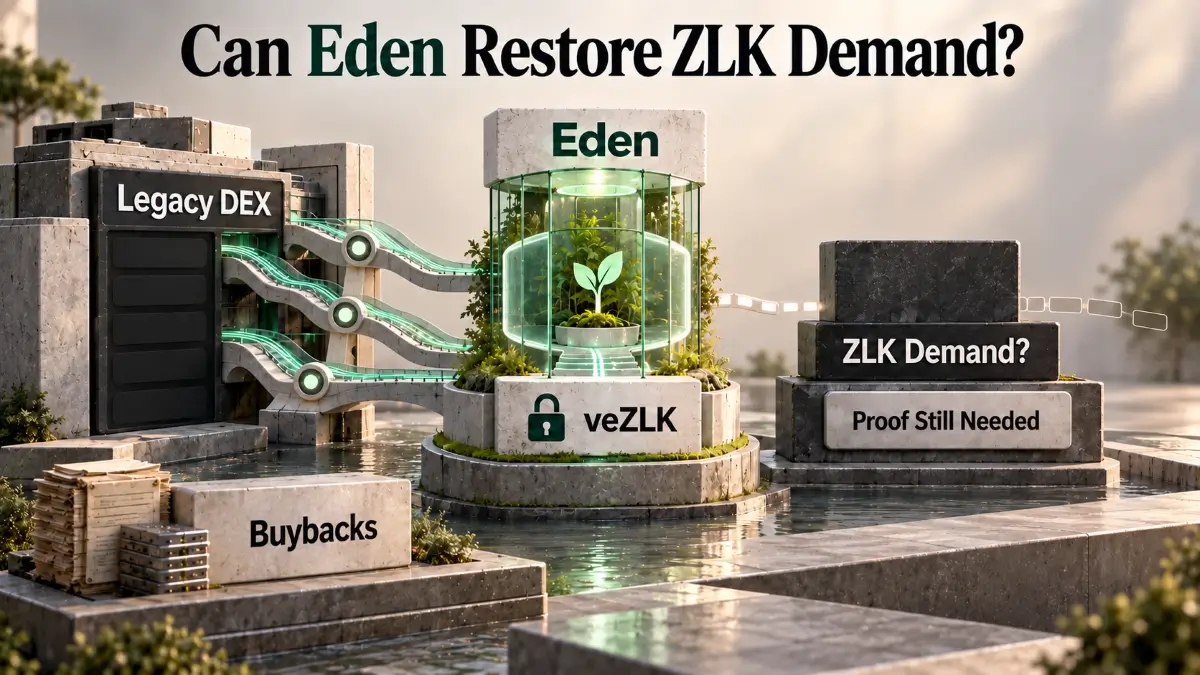
Zenlink Eden adds veZLK locking and fee sharing, but thin DEX activity and limited adoption data leave ZLK demand unproven.
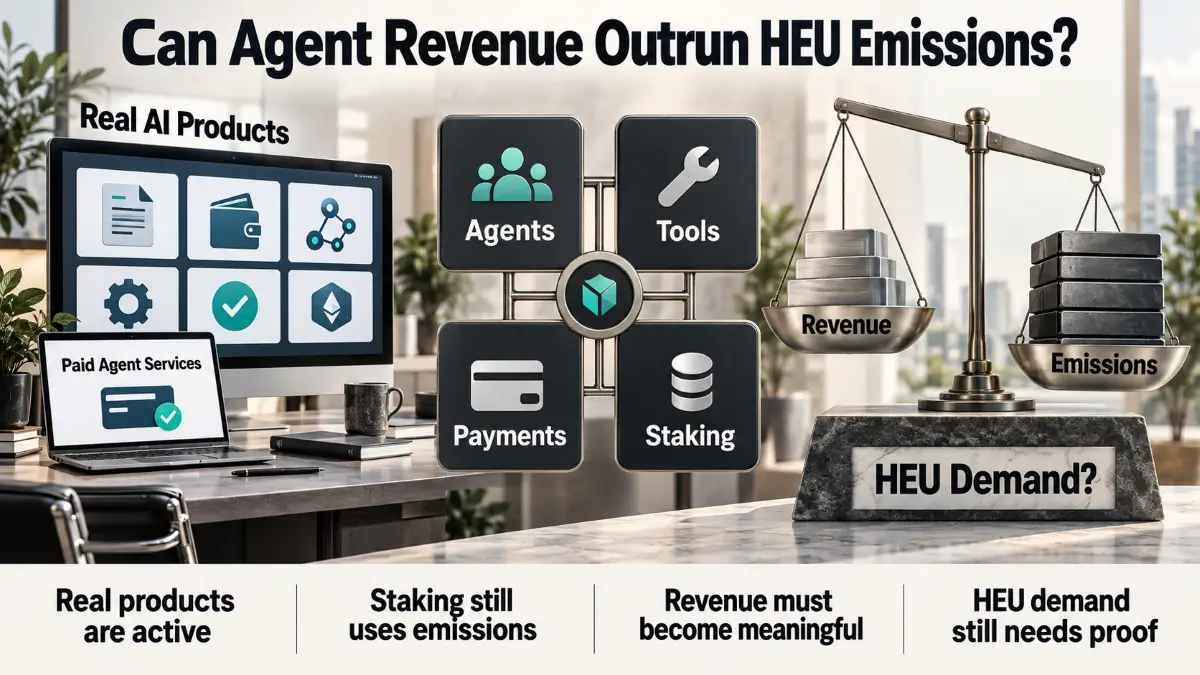
Heurist has active AI agent infrastructure and new payment utility, but HEU still needs proof that protocol revenue can outpace emissions and long-term token distribution.

Peaq has live machine infrastructure and a clearer trust-layer thesis, but PEAQ still needs proof that machine growth can outpace unlocks and issuance.